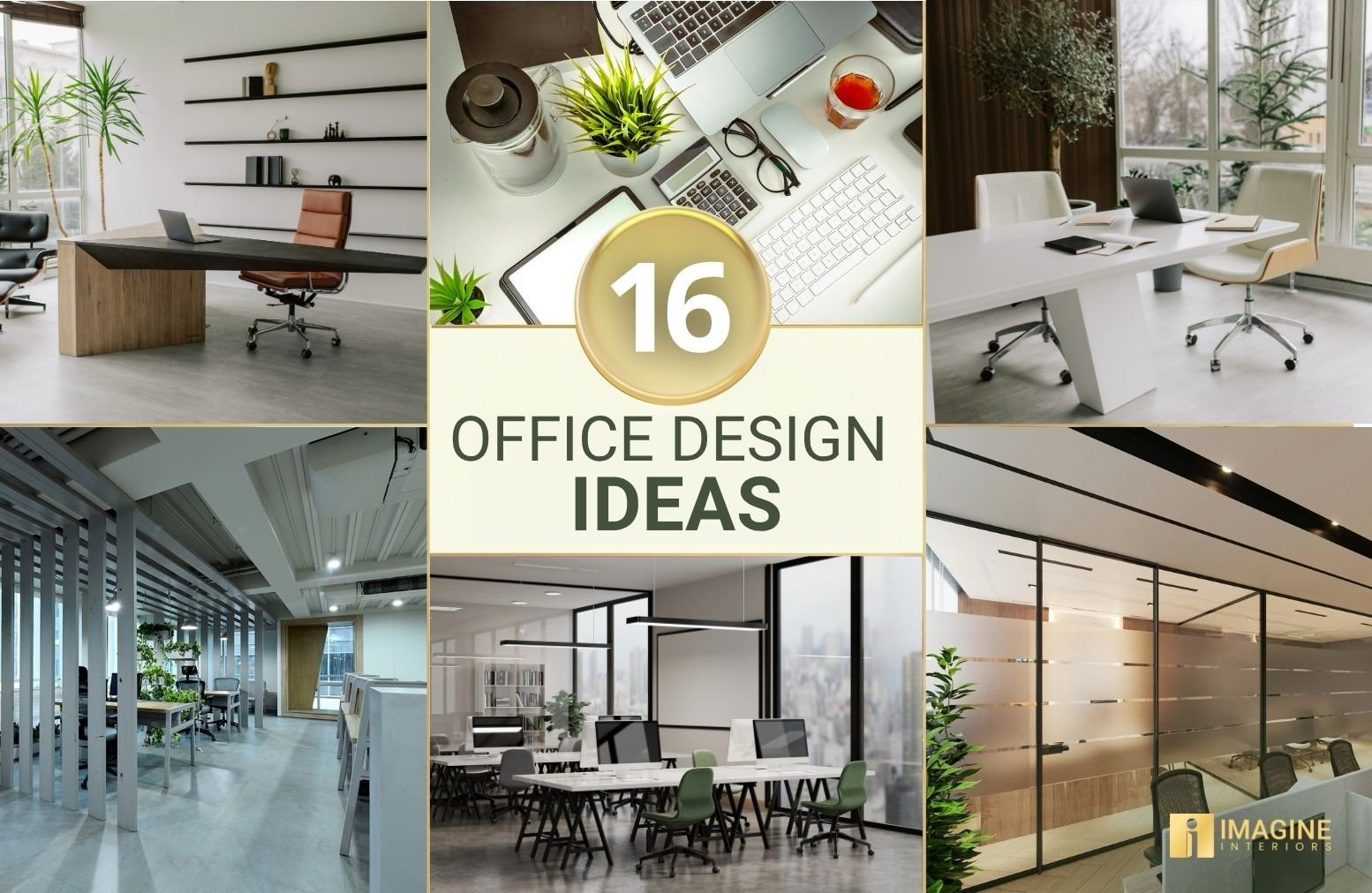
Office design affects more than the way a workplace looks. It shapes how people feel, move, focus, and work each day.
Ask simple questions. Where do people focus best? Where do calls happen? Are meeting rooms used properly? Is there enough storage? Do people feel comfortable at their desks?
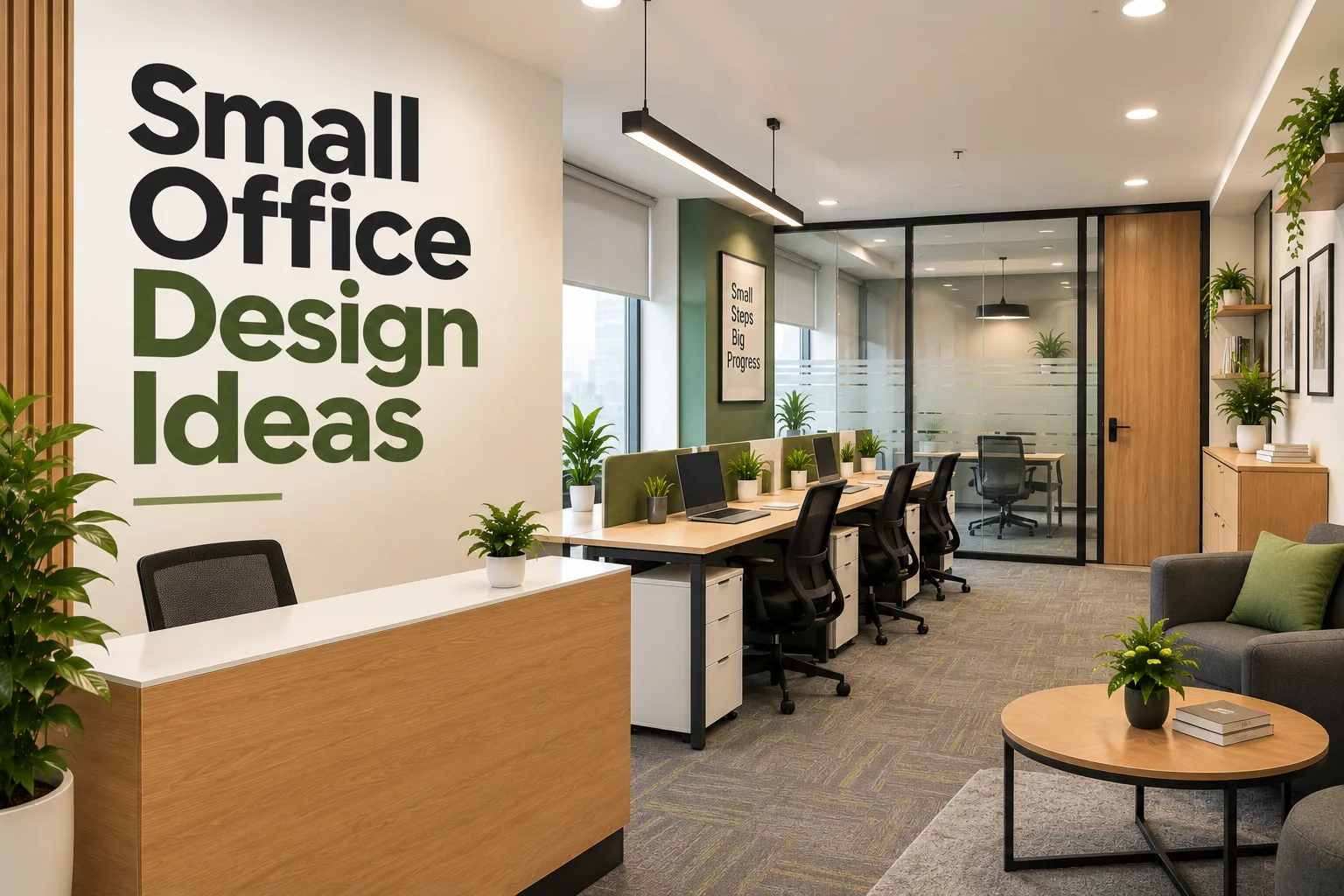
Then divide the office into clear zones. Create areas for focused work, teamwork, meetings, calls, storage, and breaks.
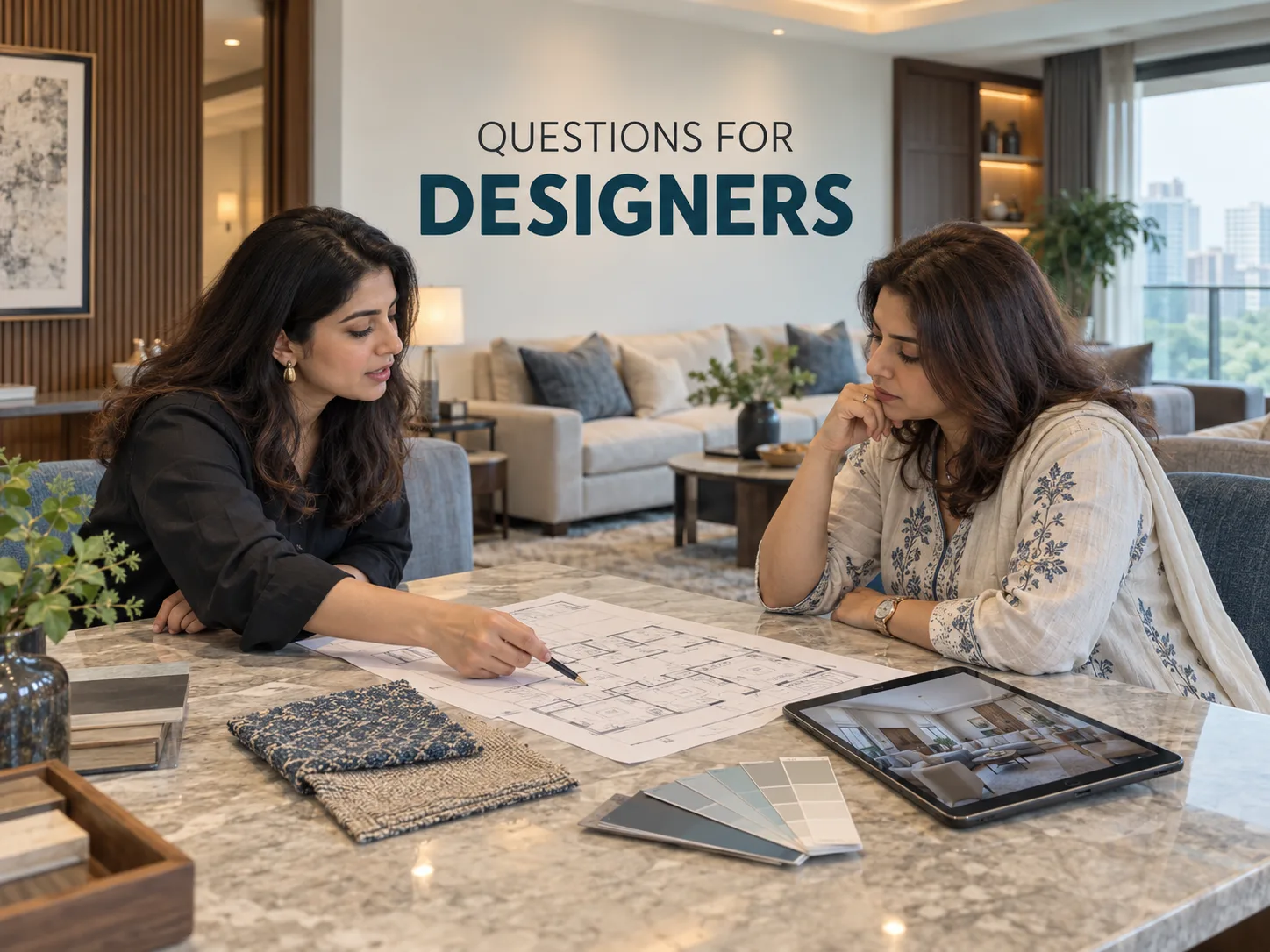
Before spending too much on visual design, fix the basics first. Call for help of a professional interior designer can help connect beauty with function. The aim should not be only to make the office look better. The aim should be to make the office work better.
Why Office Design Matters for Business Performance?
Productivity is not only about working faster. It is about helping people work with less stress, fewer distractions, and better comfort.
- Comfortable employees perform better.
- A well-planned office supports smoother communication.
- Dedicated spaces help teams work more efficiently.
- Poor layouts create daily interruptions.
- Small workplace frustrations can lower productivity over time.
- Better office design leads to better work outcomes.
What Things Should Consider Before Design an Office?
Sometimes the office looks fine from the outside, but employees still struggle to work well. These signs can show that the design is creating problems:
- Employees often complain about noise
- People avoid using meeting rooms
- Staff feel tired or uncomfortable during the day
- The office feels crowded
- There is not enough storage
- Lighting feels too harsh or too dim
- Employees cannot find quiet spaces
- The office does not support teamwork
- Walkways feel blocked or tight
- The space feels outdated
- People prefer working from home because the office feels uncomfortable
These signs do not always mean the whole office needs a full redesign. Sometimes small changes can make a clear difference. Let’s look at what should be done before starting the design process.
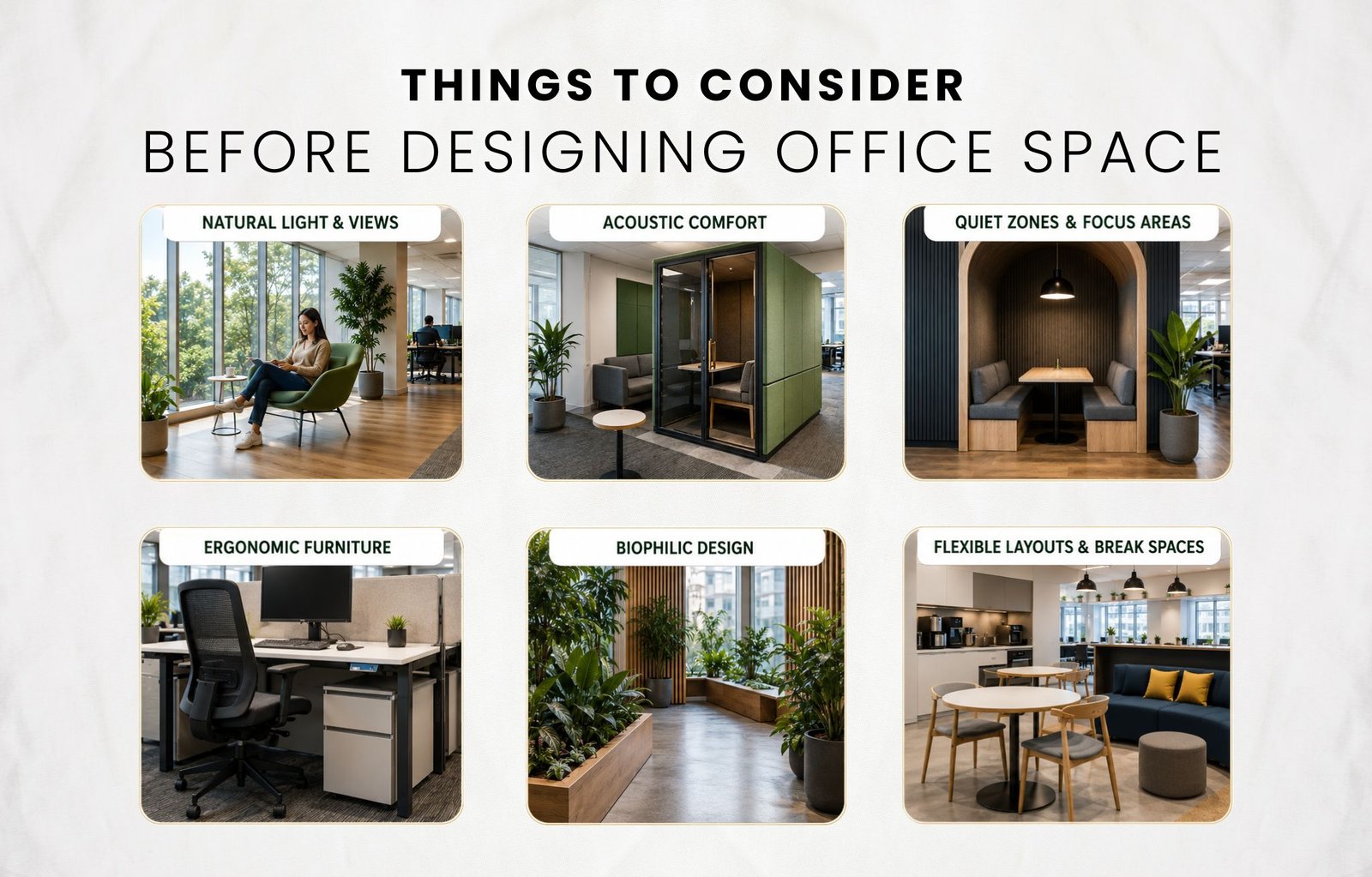
It is important to consider several key factors that will influence how effectively the office functions for employees and the business.
1. Office Layout and Workflow
Employees should be able to move between desks, meeting rooms, storage areas, break areas, and shared tools without confusion.
A good layout saves time and reduces frustration. People should not have to walk across the whole office just to print a document, speak to a team member, or find a quiet place for a call.
They make quick discussions easier and can make the office feel more connected. But open spaces can also become noisy if there is no balance.
That is why the best office layouts often include different zones. Some areas should support teamwork and some should support focused work. Some should give privacy for calls, meetings, or tasks that need deep attention.
2. Lighting and Employee Energy
Lighting can change the whole feel of an office. Good lighting makes a space feel open, fresh, and easier to work in.
Natural light is one of the best parts of a workplace. It can make the office feel brighter and more comfortable. Desks placed near windows can help employees feel less boxed in during long workdays.
Dim lighting can make people feel tired. Bad lighting can also lead to eye strain and headaches.
A strong lighting plan uses different types of light. Focus areas need clear brightness. Desk areas may need task lighting. Break areas can use softer light. Meeting rooms need enough light for reading, writing, and video calls.
Good office lighting should not feel harsh or dull. It should help people work comfortably throughout the day.
3. Ergonomic Furniture and Physical Comfort
Physical comfort plays a key role in employee performance. Uncomfortable chairs, poor desk setups, and inadequate support can lead to fatigue and distraction.
Ergonomic furniture helps employees stay focused and work more comfortably. When people feel physically supported throughout the day, they are more productive, engaged, and satisfied in their work environment.
4. Noise Control and Focus
Constant noise can make someone difficult for someone to stay focused. When conversations, calls, and movement compete for attention, even simple tasks can take longer.
It creates a balance between collaboration and concentration, giving employees quiet spaces when they need to focus and shared areas.
5. Color and Mood
Soft colors often work well in focus areas because they feel calm and easy on the eyes. Stronger accent colors can work well in creative spaces, meeting rooms, or brand areas.
Color should not be treated like a magic fix. It will not solve poor lighting, bad layout, or uncomfortable furniture. But it can support the mood of the workplace when used with care.
The best office colors should fit the company, the type of work, and the people using the space.
6. Natural Elements and Biophilic Design
Biophilic design works best when it feels natural. It should not feel forced or decorative only. The point is to create a workplace that feels fresh, balanced, and pleasant to spend time in.
Plants, daylight, wood textures, outdoor views, and nature-inspired materials can soften a workspace.
This does not mean every office needs a full indoor garden. Even a few simple changes can help. A few plants near desks, better use of windows, or warmer materials can make the space feel less cold.
7. Storage and Office Organization
Clutter can hurt productivity. Messy desks, tangled wires, crowded walkways, and poor storage can make an office feel stressful.
When employees cannot find what they need, they waste time. When documents, tools, or supplies do not have a clear place, the office quickly becomes messy.
Good storage keeps the workplace cleaner and easier to use. Cabinets, shelves, hidden storage, desk organizers, and proper filing systems can all help.
8. Breakout Areas and Employee Recharge
Employees need spaces where they can step away from work for a few minutes. Breakout areas and quiet corners help people reset, reduce stress, and return with better focus. Even short breaks can improve concentration and make the workday feel more balanced.
9. Meeting Room Design and Team Communication
Meeting rooms are where ideas are shared, decisions are made, and teams come together. A poorly designed space can create distractions and slow discussions. Comfortable seating, clear audio, good visibility, and the right technology help meetings run smoothly. When people can communicate easily, collaboration feels more natural and productive.
10. Air Quality and Temperature
Air quality and temperature have a bigger impact on productivity than many people realize. A stuffy, hot, or overly cold office can leave employees feeling uncomfortable and distracted.
Good ventilation and a stable indoor climate help create a workspace where people feel refreshed, comfortable, and better able to focus throughout the day.
11. Brand Identity and Workplace Culture
An office is often the first physical experience people have with a company. The design, atmosphere, and overall environment help shape how employees, clients, and visitors perceive the brand.
More than just colors and décor, a well-designed workplace reflects company values, culture, and professionalism. When the space supports collaboration, comfort, and productivity, it sends a strong message about how the organization operates and cares for its people.
How to Improve Office Design for Better Productivity?
Office design has a direct impact on how people work, think, and perform throughout the day. A well-planned workspace can improve focus, comfort, and overall productivity.
Step 1: Understand Employee Needs
Start by understanding how employees use the workspace and what challenges they face daily.
Step 2: Plan Functional Zones
Create dedicated areas for focused work, meetings, collaboration, calls, storage, and breaks. Before starting, planning with a professional office designer company. Image Interiors has many years of experience.
Step 3: Fix the Fundamentals
Prioritize lighting, comfort, noise control, air quality, and smooth movement throughout the office.
Step 4: Align Design with Brand
Create a workspace that reflects your company’s culture, values, and identity while leaving a lasting impression on employees, clients, and visitors.
Step 5: Balance Beauty and Function
Work with an interior designer to create a space that looks great while supporting productivity and long-term business goals.
Common Office Design Mistakes
Many office productivity issues come from simple design mistakes. Focusing only on appearance, poor noise control, uncomfortable furniture, and a lack of private spaces can make daily work more difficult.
Inadequate lighting, limited storage, and the absence of breakout areas also affect employee comfort and efficiency. Another common mistake is failing to plan for future growth.
The most effective office designs are built around how people actually work, creating a space that supports both productivity and long-term business needs.
Conclusion
Office design affects productivity because it shapes how employees focus, move, talk, rest, and feel throughout the day. A productive office should not only look good, it should help people work better.
When these parts work together, the office becomes more than a place to sit and work. It becomes a space that supports people, teams, and the business behind them.