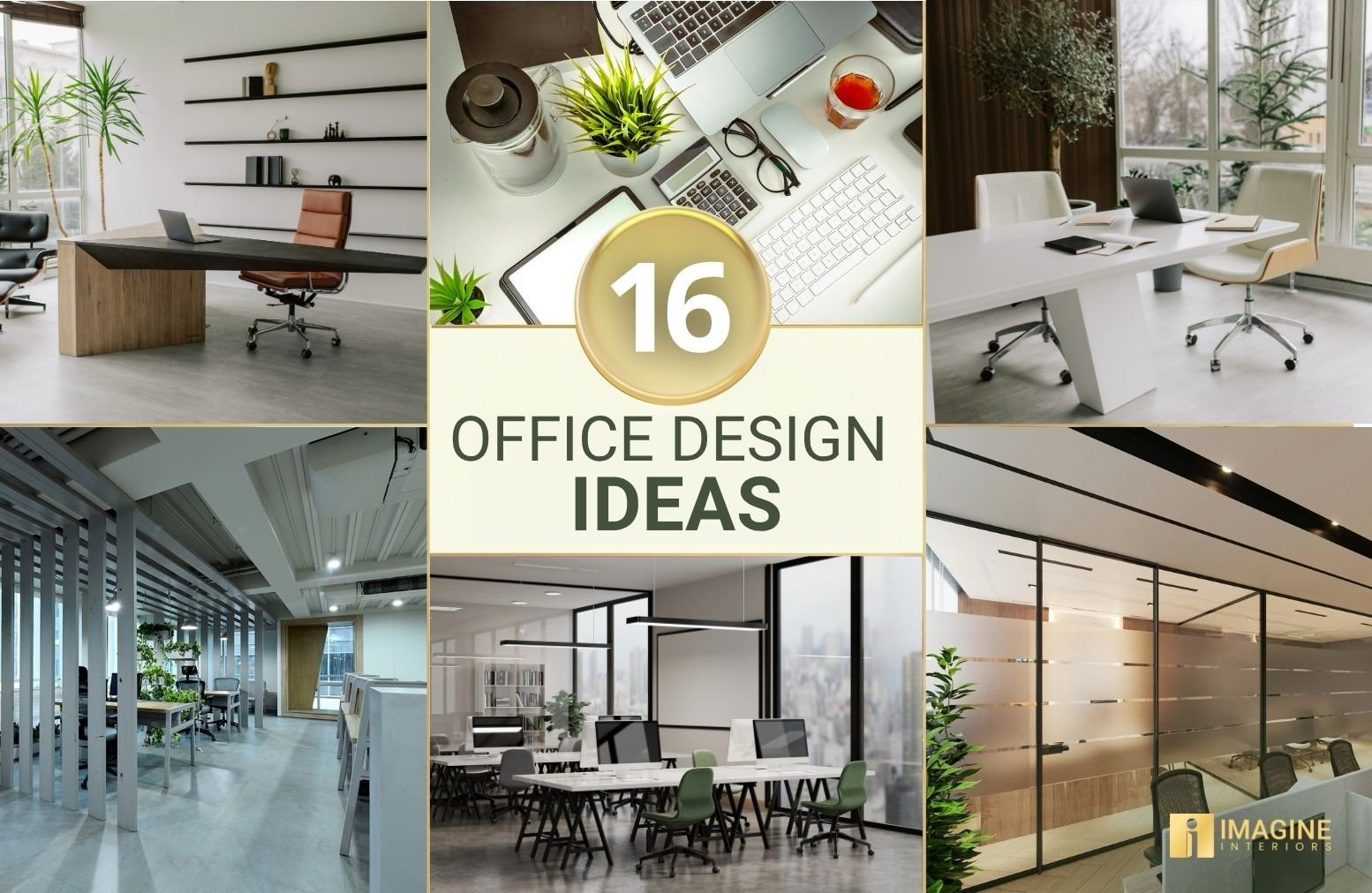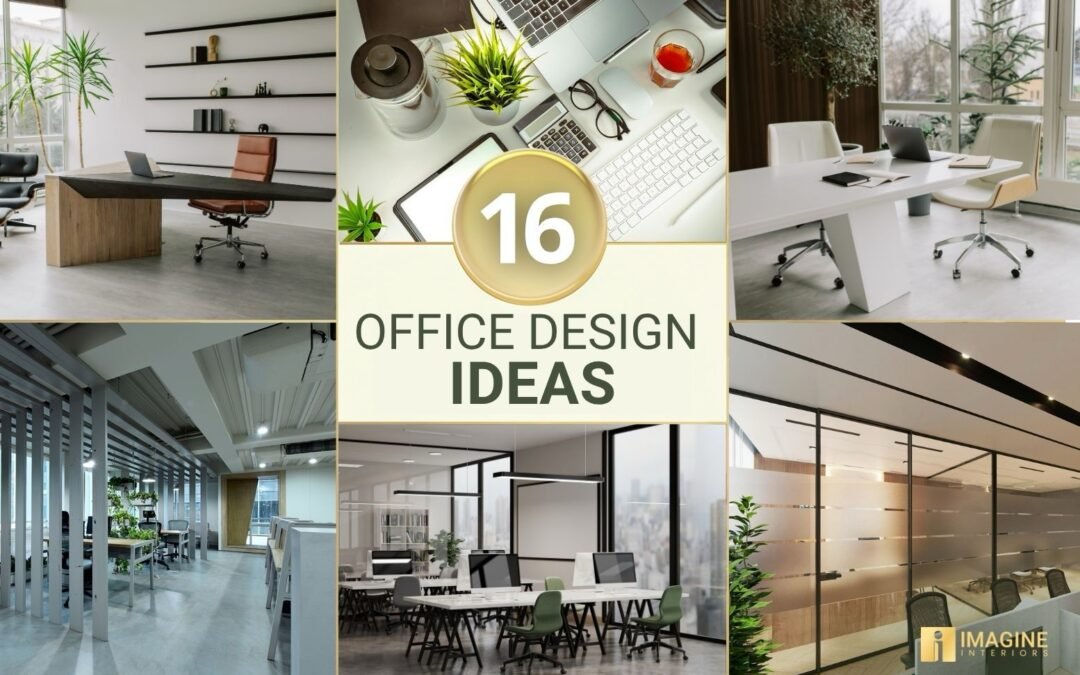
The office is the second home for an employee. He/she spends most of the time in a room like a case. A modern office is not only about desks, chairs, colors and decorations. It’s about how people focus, meet, move, rest, share ideas, and feel part of the company. They want the office to give them something useful – better focus, better meetings or better team energy.
I always think a good office should answer one simple question first. Does this space make work easier? If the answer is no, the design needs more thought. Good office design supports how people work, think, move, and talk. It also says something about the company.
Why Office Design Matters More in the Modern Era?
As office design is more than aesthetics in 2026, it directly impacts productivity, employee well-being, collaboration, and talent retention. Modern workplaces should support hybrid work, technology integration, and flexibility.
A well-designed office creates a positive work environment, boosts efficiency, and helps businesses attract and retain top-performing employees.
Modern office design should support
- Focus work
- Team collaboration
- Hybrid meetings
- Quiet calls
- Short breaks
- Employee comfort
- Natural movement
- Client trust
- Brand feeling
Start With How People Actually Work
Before choosing furniture, colors, or lighting, look at how the team works. This part is not glamorous. But it is where good interior design starts.
Some teams need quiet areas. Some need project tables. Some need better meeting rooms. Some need social spaces because people only meet in person a few days a week.
If the layout does not match the work, the design will look good and still fail.
Ask these questions first –
- Who uses the office most?
- What work happens every day?
- Where do people feel distracted?
- Which rooms stay empty?
- Which areas feel too crowded?
- What do hybrid workers need?
- Where do clients or guests enter?
Quick Office Design Checklist
Before redesigning an office, slow down. A checklist can help you think clearly before spending money. It also makes sure the design supports people, space, brand, culture, and future change.
Must-check items
- Future workplace strategy
- Flexible workspace needs
- Hybrid workplace setup
- Employee wellbeing
- Ergonomics
- Biophilic design
- Acoustic design
- Smart office technology
- Sustainability
- Brand identity
- Workplace culture
- Inclusive design
- Collaboration spaces
- Focus zones
- Modular furniture
- Lighting
- Storage
- Budget
- Future growth
1. Flexible Workspace Design
Work patterns are changing faster than ever. Flexible workspace design helps businesses respond to these changes by creating office environments that support multiple work styles while making the best use of available space.
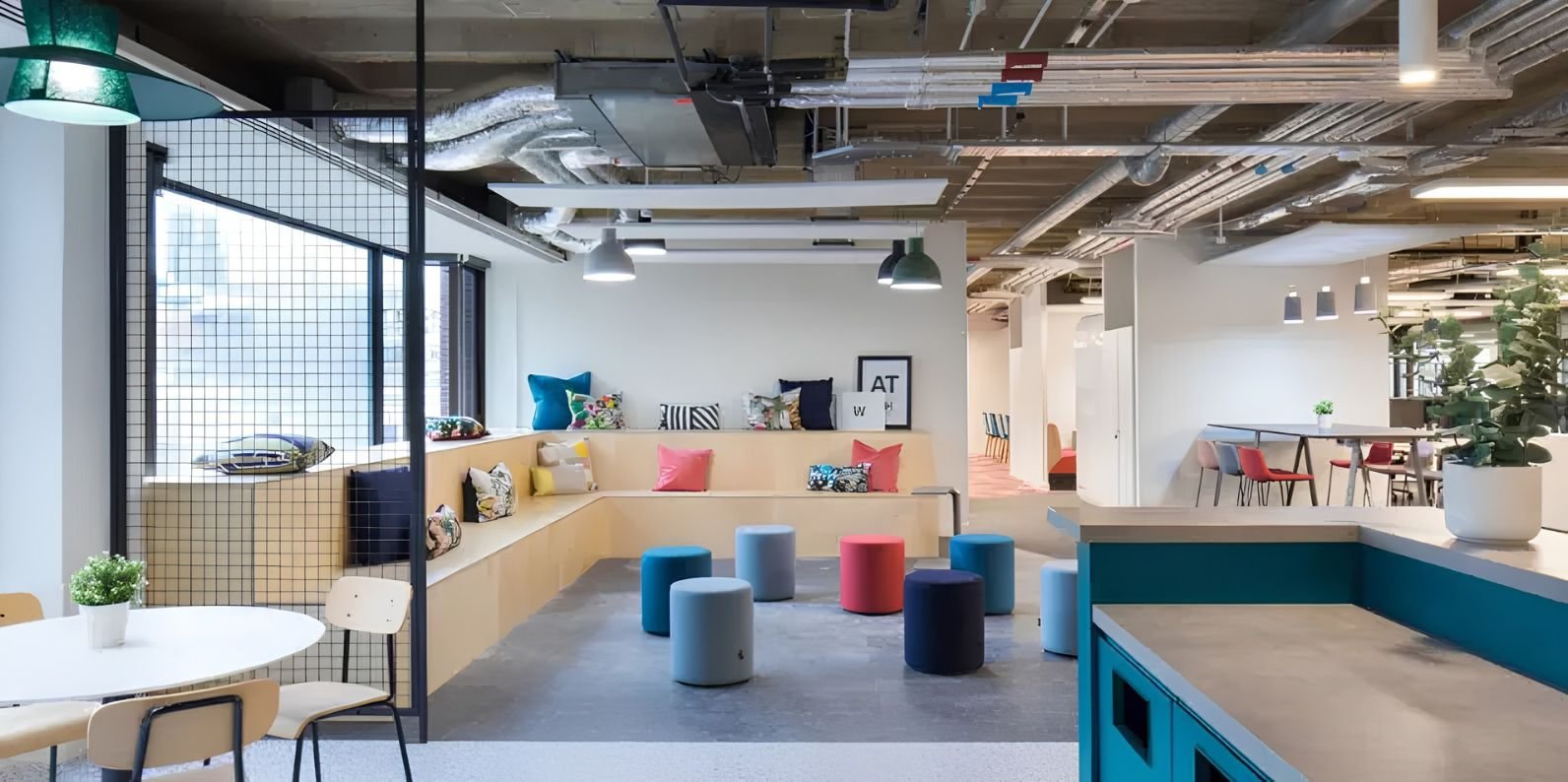
Advantages
- Helps different teams use the same office better.
- Supports hybrid and part-time office workers.
- Makes the office useful for meetings, focus, and teamwork.
- Reduces wasted space.
- Gives employees more control over how they work.
Must-have items
- Touchdown desks: Useful for employees who do not need a fixed desk daily.
- Shared work tables: Good for short tasks and casual teamwork.
- Movable partitions: Helps divide space when privacy is needed.
- Multi-use rooms: Supports meetings, training, and group work.
- Stackable chairs: Easy to store when the layout changes.
2. Open workspace with Modular Furniture
This type of design is becoming a key element of modern office design because it offers flexibility without a full redesign. You can move it, join it, separate it, or reuse it in another area. This makes the office more flexible and easier to manage.
The officers will like the modular design because it gives structure and freedom at the same time. It works well for growing teams, training rooms, project areas, and hybrid offices.
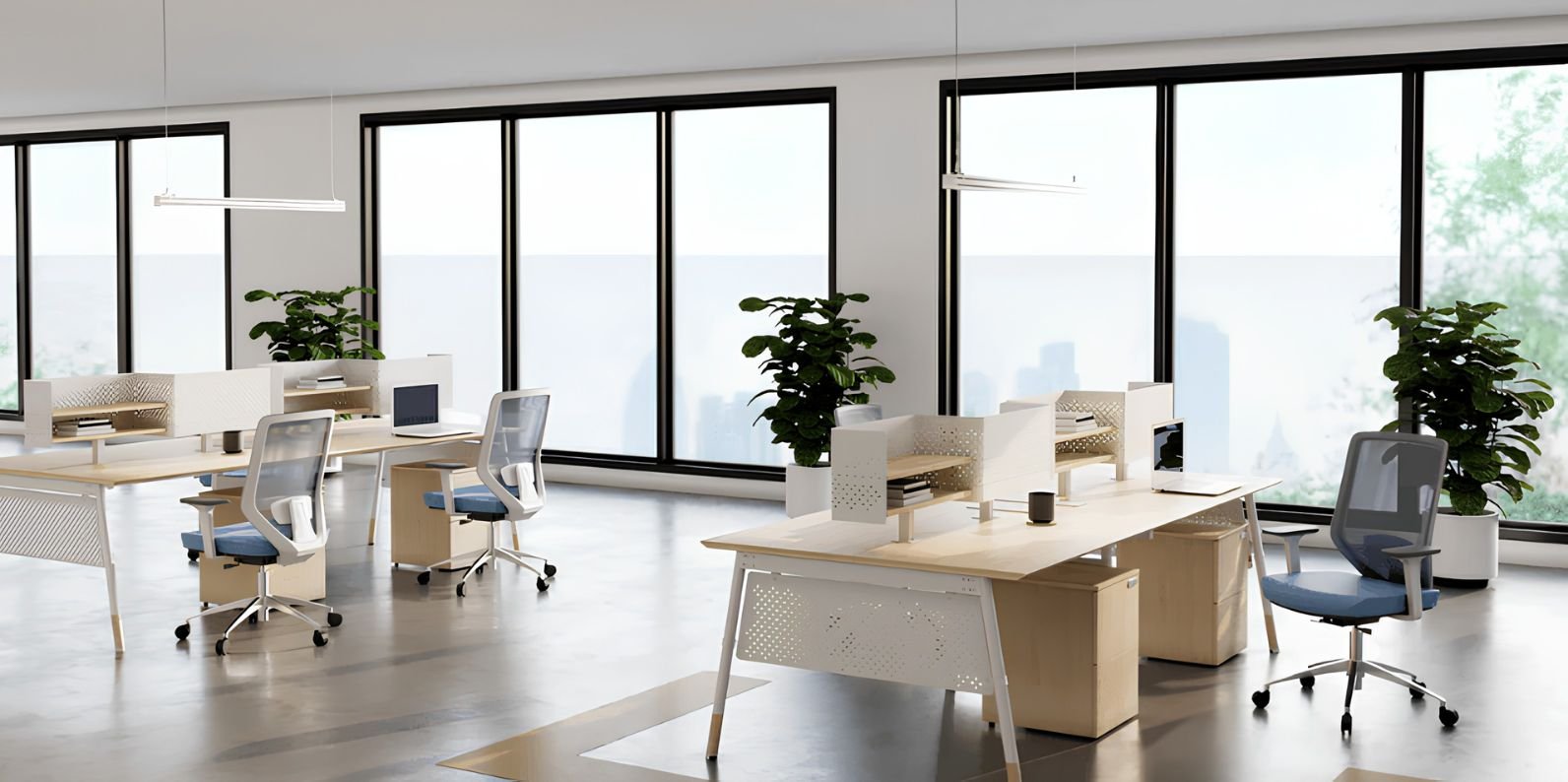
Advantages
- Makes office layout changes easier.
- Helps one space serve different purposes.
- Saves money over time by reducing replacement needs.
- Supports team growth and new work styles.
- Keeps the office from feeling too fixed.
Must-have items
- Modular desks: Can be joined or separated based on team needs.
- Movable tables: Useful for meetings, workshops, and training.
- Lightweight chairs: Easy to move between rooms.
- Sectional sofas: Helps create flexible lounge or social areas.
- Mobile storage units: Keeps tools close without fixing storage in one place.
3. Hybrid Workplace Design
As hybrid work becomes the new standard, offices must support both in-person and remote collaboration. It focuses on creating spaces that connect employees whether they are working from the office, home, or anywhere in between. This layout ensures productivity, communication, and engagement remain consistent. The room layout, seating, camera angle, sound, lighting, and table position must work together.
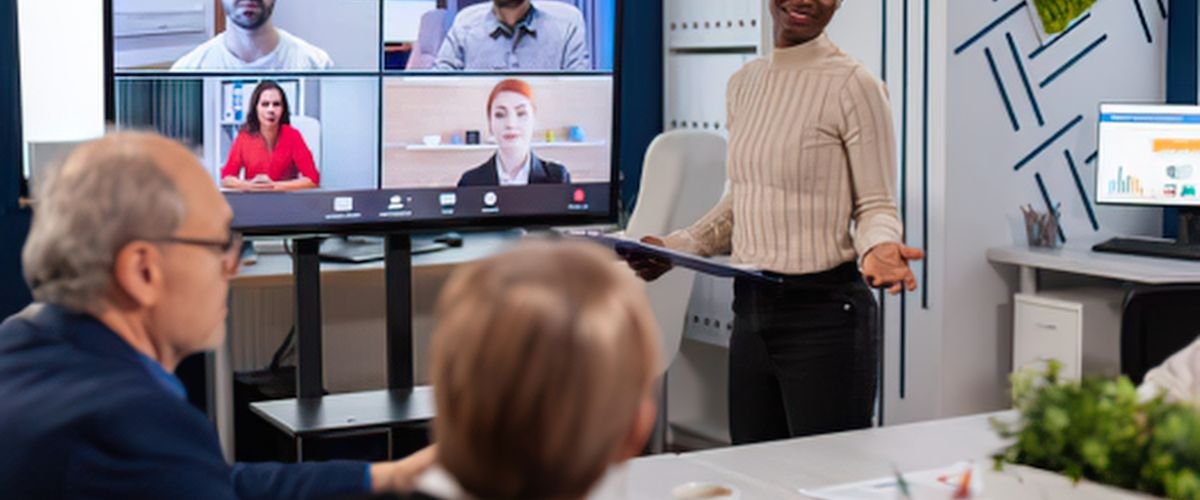
Advantages
- Makes video meetings clearer and more natural.
- Helps remote and in-office teams work together.
- Improves communication during hybrid calls.
- Reduces meeting stress caused by poor sound or screen setup.
- Makes the office more useful for modern work.
Must-have items
- Video-ready meeting rooms: Helps hybrid meetings run smoothly.
- Good microphones: Makes voices clear for remote workers.
- Clear camera angle: Lets everyone in the room be seen properly.
- Visible screen: Helps people follow the discussion without turning awkwardly.
- Clean cable management: Keeps the meeting table neat and easy to use.
4. Employee Wellbeing Design
The entire workplace culture affects employee mental health also, not only one wellness corner. Modern offices are now designed to support physical comfort, mental wellness, and work-life balance. It creates a healthier and more productive work environment.
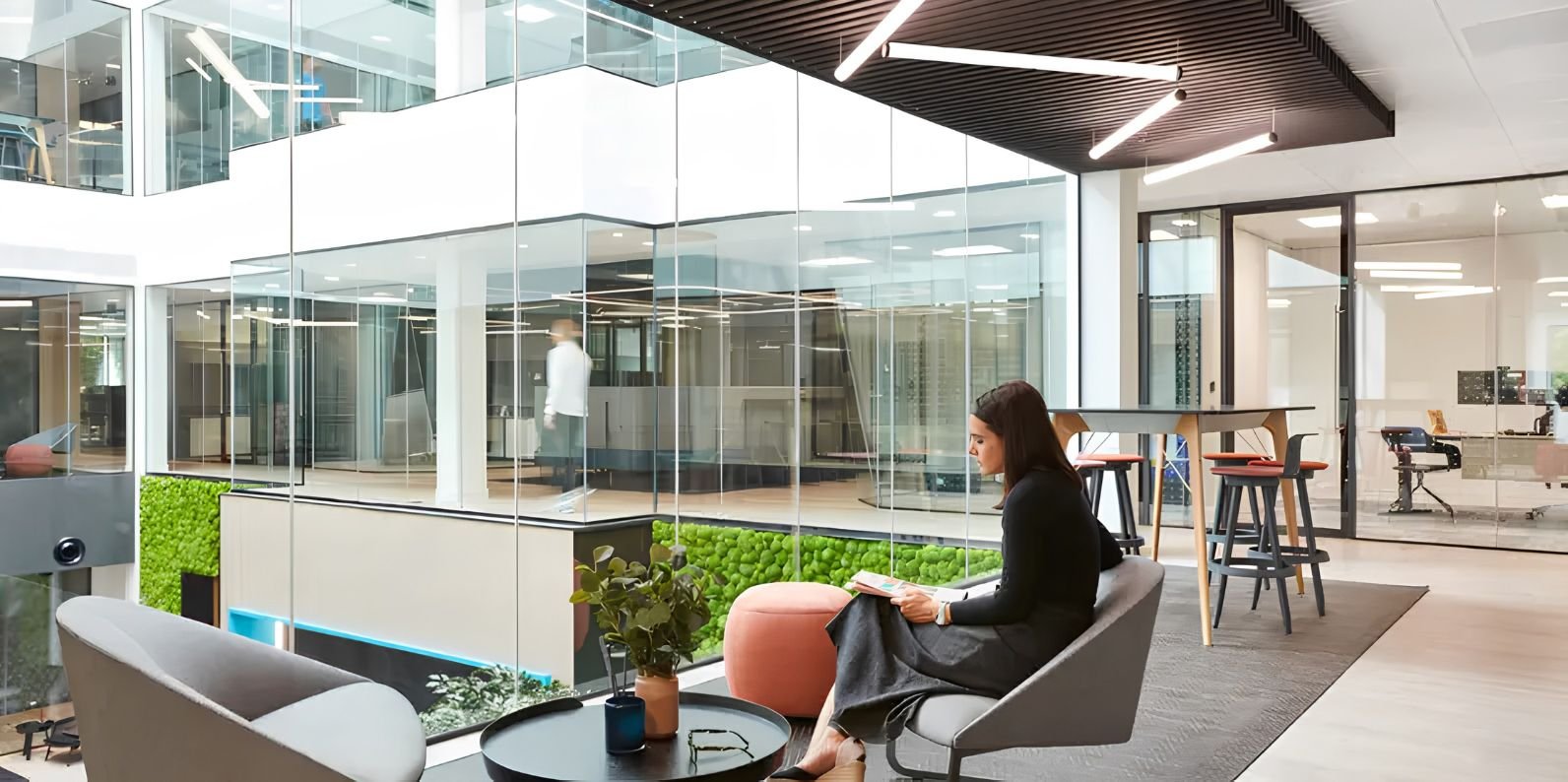
Advantages
- Helps employees feel more comfortable at work.
- Reduces stress from noise, poor lighting, and clutter.
- Supports better focus and daily energy.
- Makes the office feel more human.
- Helps people feel cared for without forcing it.
Must-have items
- Comfortable seating: Supports the body during long work hours.
- Natural light: Makes the space feel brighter and less closed in.
- Quiet areas: Gives people space to focus or reset.
- Break spaces: Helps employees step away from desk pressure.
- Movement-friendly layout: Encourages people to move during the day.
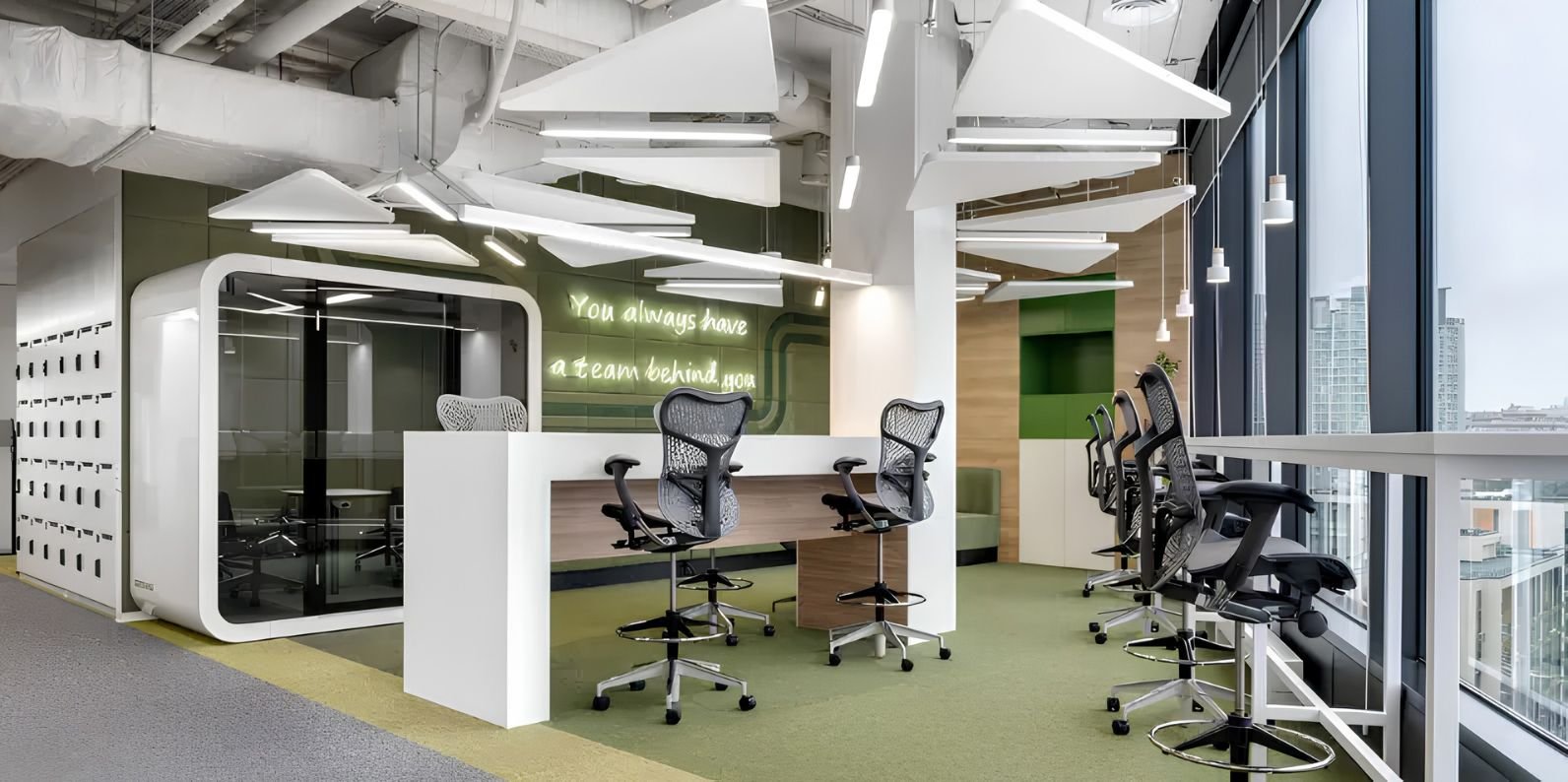
5. Ergonomics Office Design
People should not fight with their furniture. And in this part ergonomics design helps the employee to do their tasks as they are comfortable sitting or standing.
Desk height, screen position, chair support, leg space, lighting, and movement all matter. If these are wrong, people feel it in their back, neck, eyes, and shoulders.
Advantages
- Helps people sit and work more comfortably.
- Reduces body strain during long work hours.
- Supports better posture and focus.
- Makes workstations easier to use.
- Improves the daily experience at desks and meeting rooms.
Must-have items
- Adjustable chairs: Helps people sit at the right height.
- Sit-stand desks: Gives people a choice between sitting and standing.
- Proper monitor height: Reduces neck and eye strain.
- Supportive meeting chairs: Makes long meetings more comfortable.
- Enough desk space: Keeps work tools easy to reach.
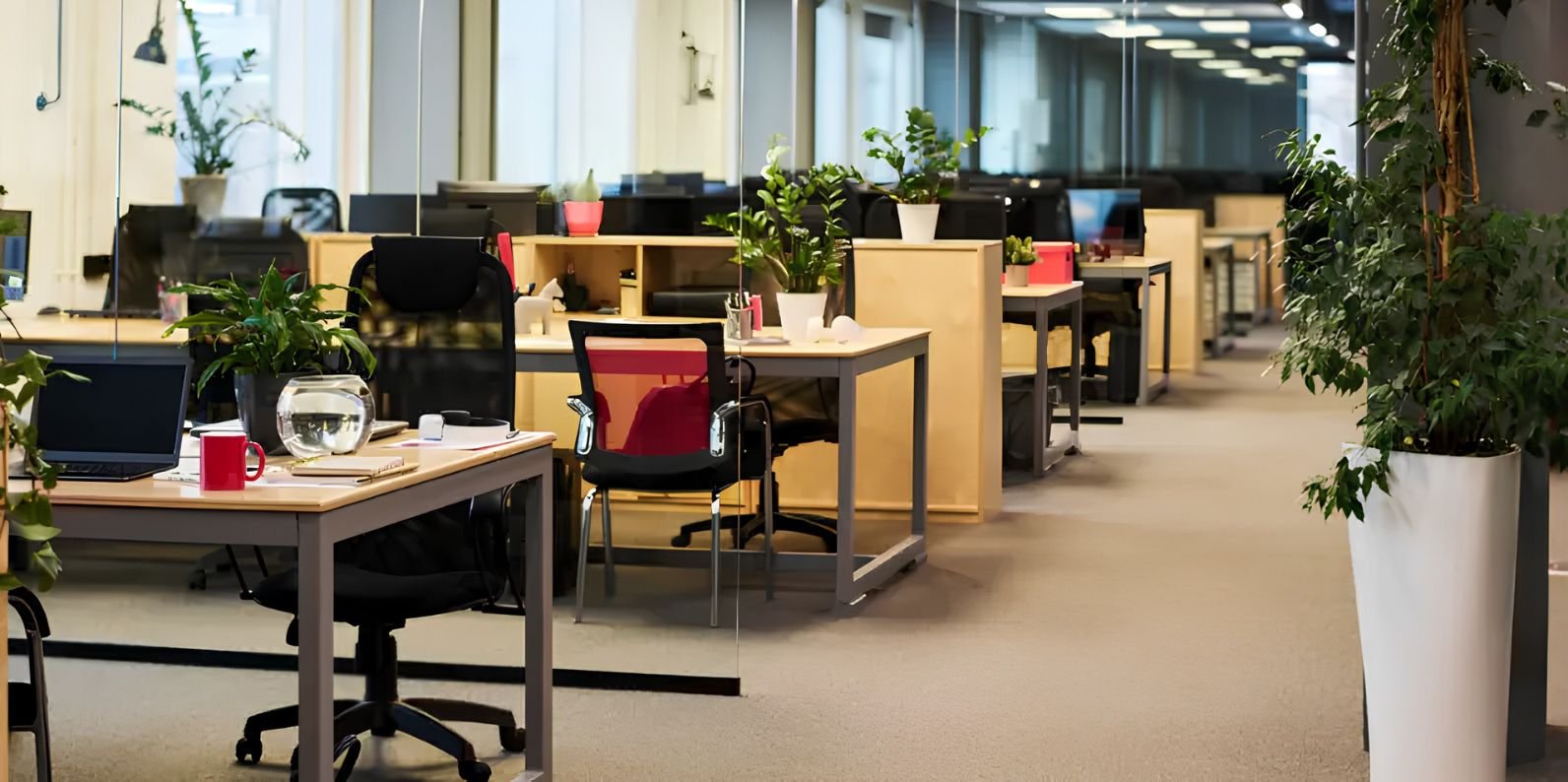
6. Biophilic Office Design
Plants are part of it, but they are not the whole idea. Biophilic design brings natural elements into the office. Natural light, wood texture, soft green tones, stone finishes, and outdoor views can make the office feel calmer.
It helps reduce the cold feeling many offices have. Nature should feel connected to the room, not just added for decoration.
Advantages
- Makes the office feel warmer and calmer.
- Helps reduce the harsh feeling of plain commercial interiors.
- Supports a more relaxed work mood.
- Adds texture and visual comfort.
- Makes the space feel more human and less sterile.
Must-have items
- Indoor plants: Adds life and softness to the workspace.
- Natural light: Makes rooms feel open and fresh.
- Wood finishes: Adds warmth to desks, walls, or floors.
- Nature-inspired colors: Brings calm through greens, browns, and soft neutrals.
- Outdoor views: Helps people feel less boxed in where possible.
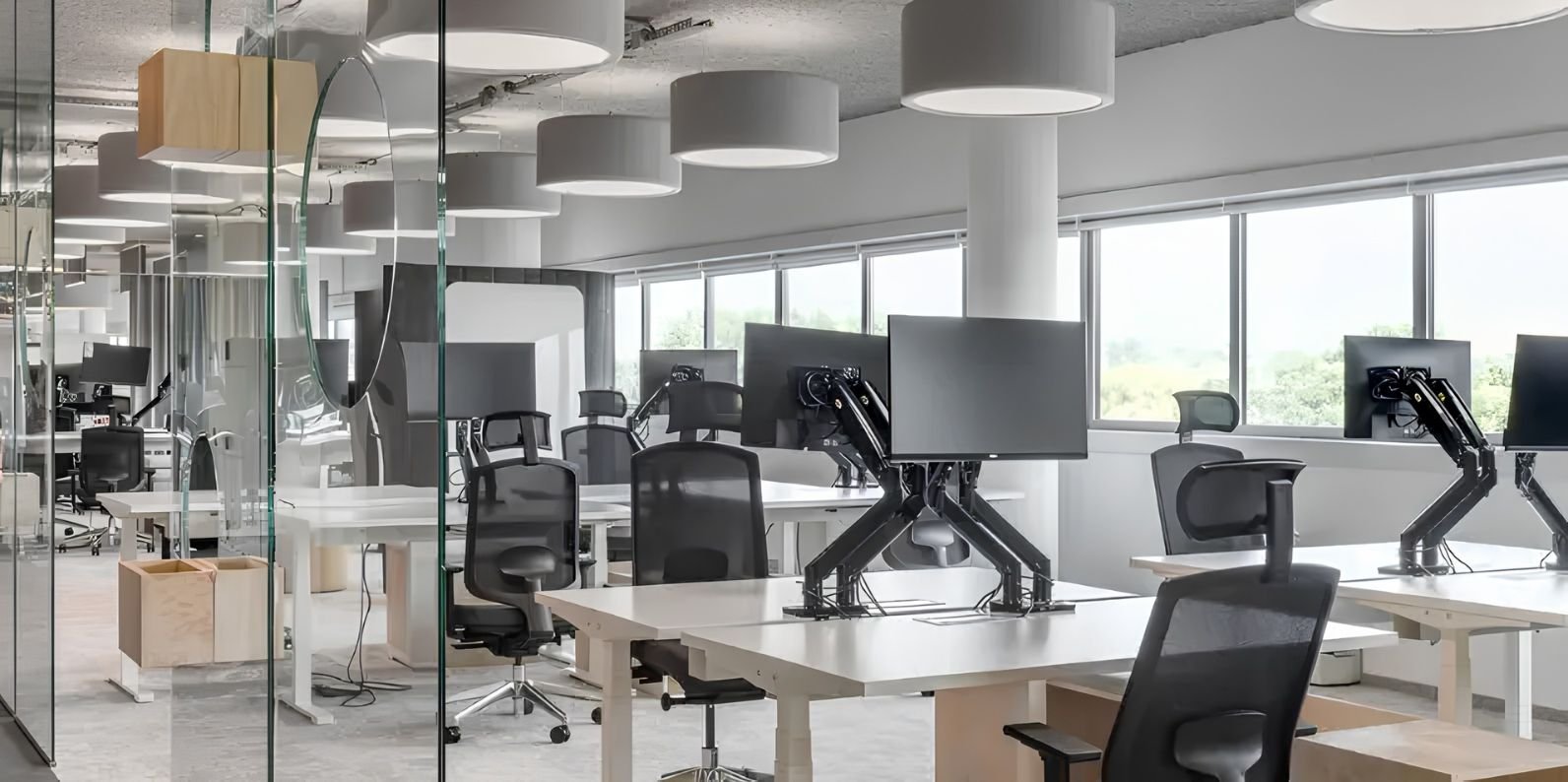
7. Acoustic Office Design
Acoustic controls the sound inside the office. This matters in open spaces, meeting rooms, call areas, and social zones. A noisy office can look beautiful but still feel stressful.
The goal is not to make the office silent rather controlling sound so people can focus, talk, and meet without constant disturbance.
Advantages
- Helps employees focus without background noise.
- Gives more privacy for calls and meetings.
- Makes open offices feel calmer.
- Improves hybrid meeting quality.
- Reduces stress caused by echo and sound travel.
Must-have items
- Sound separation between zones: Keeps noisy areas away from focus areas and private rooms.
- Quiet meeting rooms: Supports focused talks, client calls, and sensitive discussions.
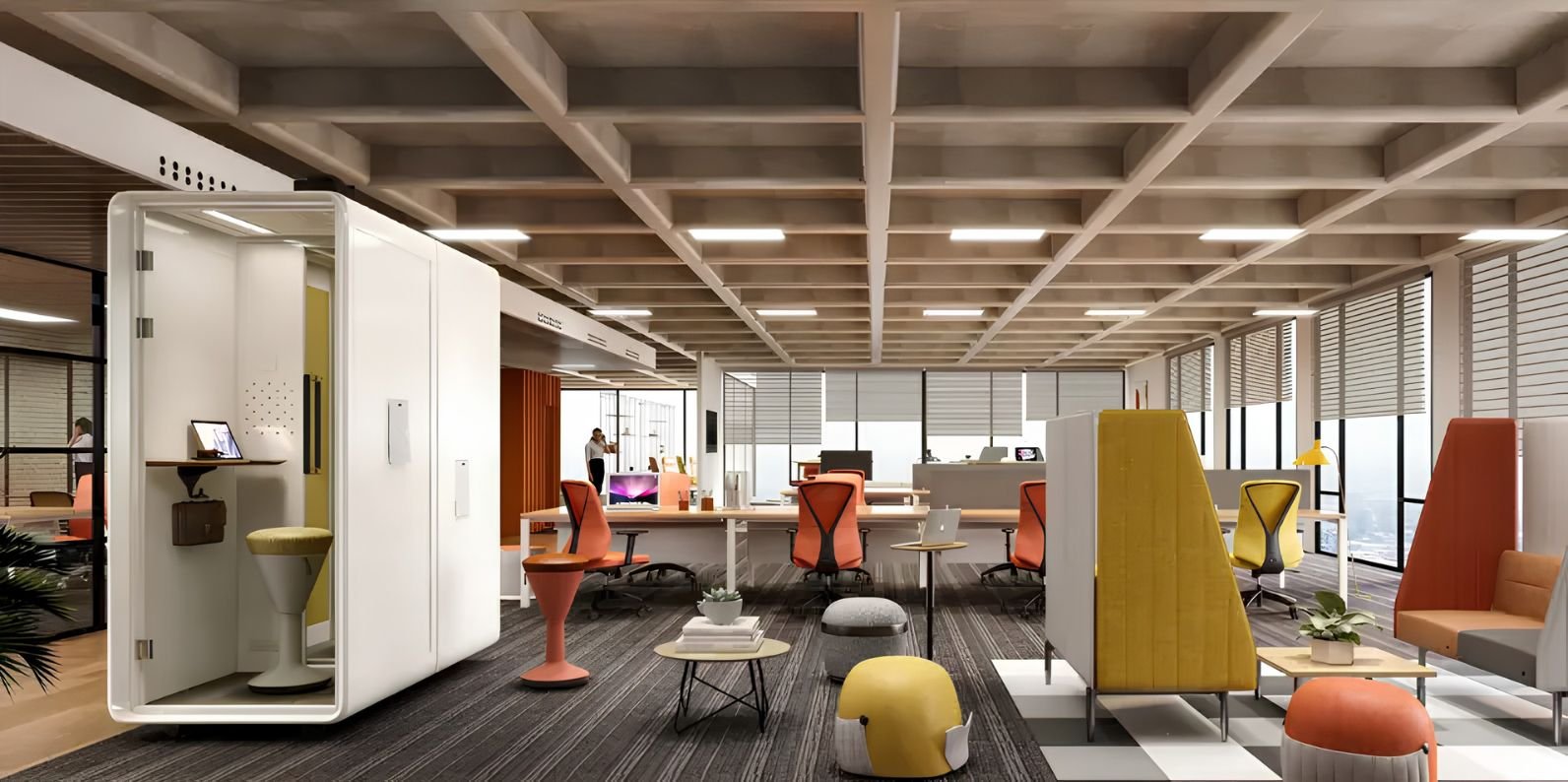
- Phone booths: Gives people a private space for calls and video meetings.
- Acoustic wall panels: Reduces echo on large blank walls.
- Ceiling baffles: Controls sound in large open areas.
- Carpet or soft flooring: Reduces footstep noise.
- Upholstered furniture: Absorbs sound better than hard furniture.
- Soft materials in social areas: Rugs, curtains, and fabric seating help control noise naturally.
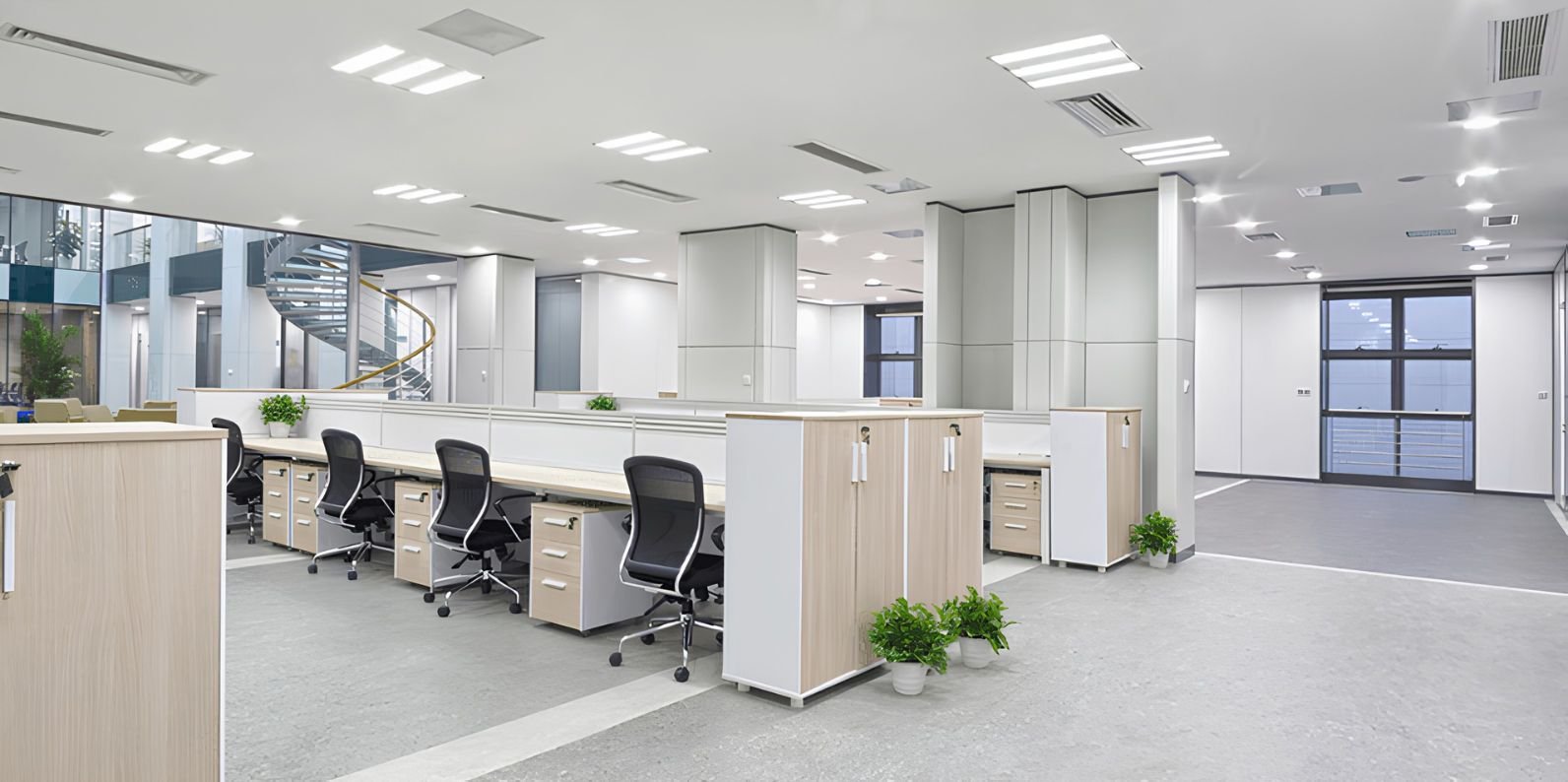
8. Smart Office Technology
In a smart office, technology helps automate everyday tasks and improves how employees interact with the workspace. Features such as automated lighting, smart climate control, occupancy sensors, wireless meeting rooms, access control systems and connected devices help the environment be more flexible.
Advantages
- Makes meeting rooms easier to manage.
- Supports hybrid work and video calls.
- Helps employees find and use spaces faster.
- Reduces small daily problems.
- Gives the business better control over office use.
Must-have items
- Room booking system: Helps teams reserve meeting rooms easily.
- Video meeting tools: Supports hybrid meetings.
- Wireless charging: Keeps desks and lounges more useful.
- Sensor-based lighting: Adjusts light based on use or movement.
- Smart temperature control: Keeps rooms more comfortable.
- Digital whiteboards: Helps teams share ideas during meetings.
9. Sustainability Office Design
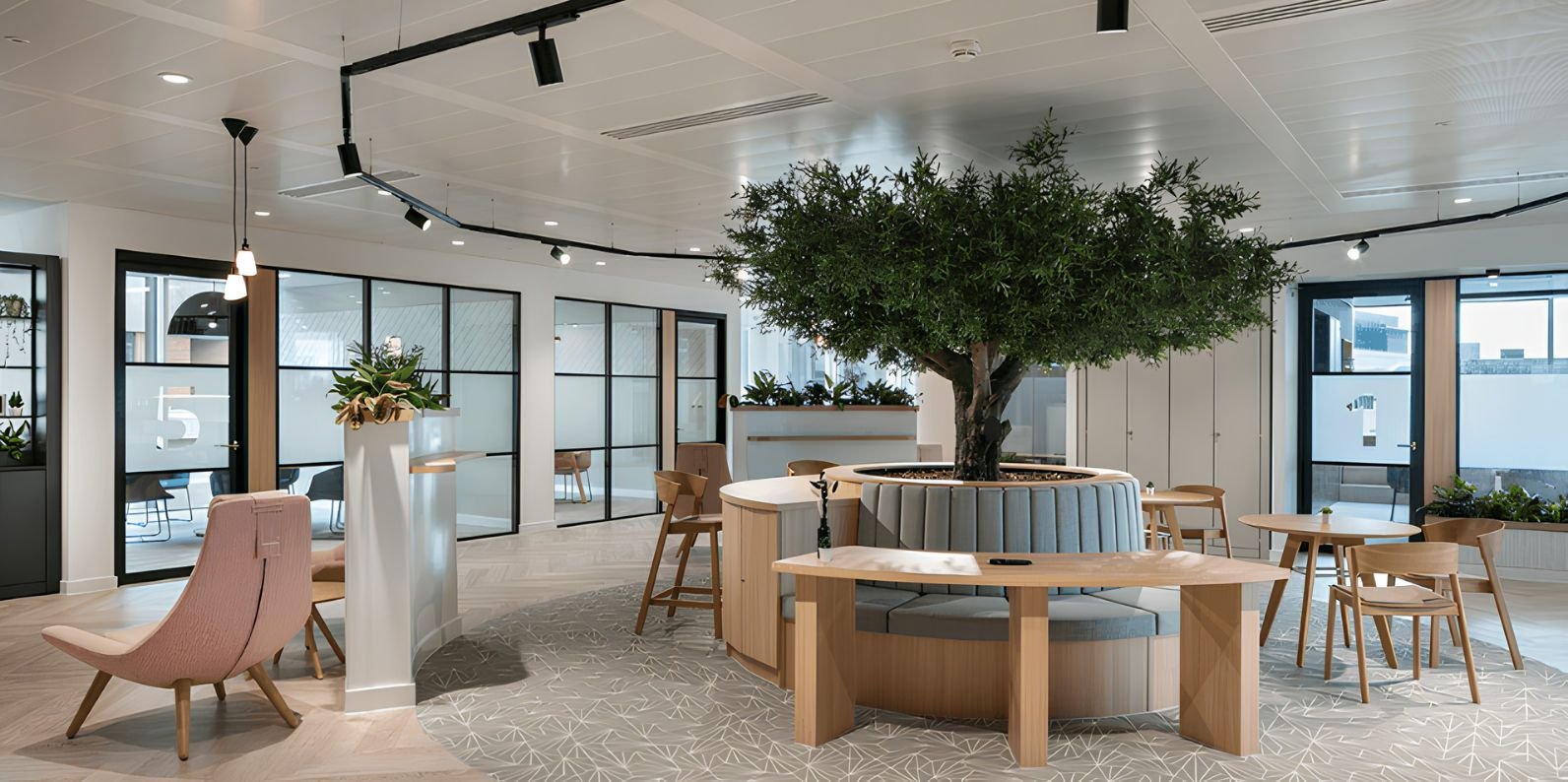
Energy efficient lighting, sustainable materials, natural ventilation and durable furniture are common features of a sustainable office. It focuses on creating workplaces that reduce environmental impact while improving long-term efficiency.
Sometimes it means choosing stronger materials that last longer. Sometimes it means reducing energy waste. Good sustainable design should feel responsible and useful.
Advantages
- Reduces waste during office changes.
- Helps furniture and materials last longer.
- Supports lower energy use.
- Creates a more responsible workplace image.
- Helps the office avoid short-life trend choices.
Must-have items
- Reused furniture: Keeps useful pieces out of waste.
- Durable materials: Reduces the need for quick replacement.
- Recycled finishes: Adds more responsible material choices.
- Energy-efficient lighting: Helps reduce power use.
- Low-maintenance surfaces: Lasts longer with less repair.
- Repairable furniture: Makes long-term use easier.
10. Brand Identity Design
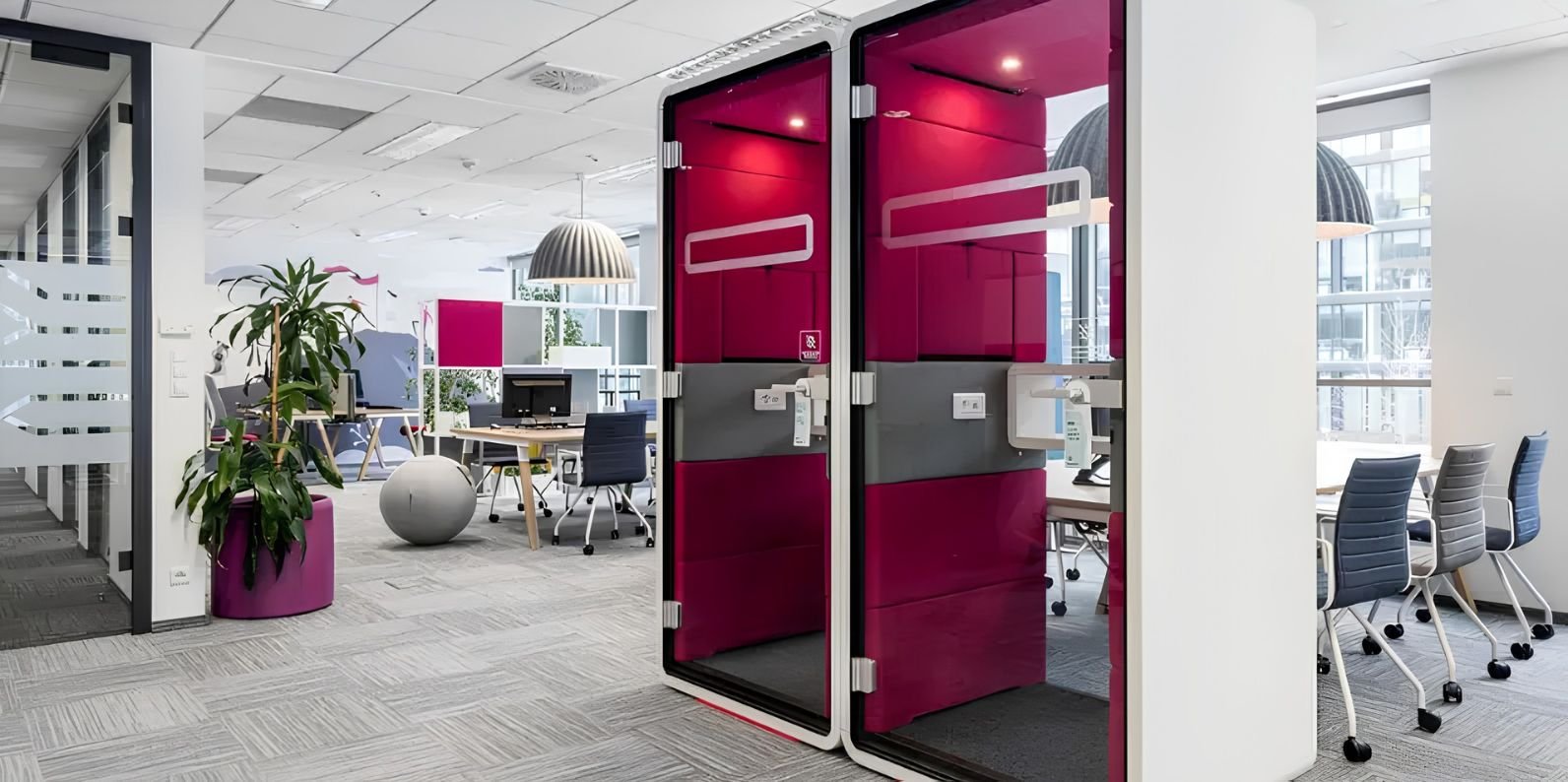
Branding design should feel natural. It should not mean placing logos everywhere. A company’s identity can show through color, material, furniture style, lighting, reception design, meeting rooms, artwork, and even how people move through the space.
Advantages
- Creates a stronger first impression.
- Helps clients understand the company mood.
- Makes the workplace feel more connected to the brand.
- Supports trust in client-facing spaces.
- Gives employees a stronger sense of place.
Must-have items
- Controlled brand colors: Uses brand colors without making the room too loud.
- Matching materials: Supports the company’s image through wood, metal, glass, or fabric.
- Clean reception area: Sets the first tone for visitors.
- Professional meeting rooms: Builds trust during client discussions.
- Meaningful artwork: Adds personality without clutter.
- Clear signage: Helps visitors move through the office easily.
11. Workplace Culture Design
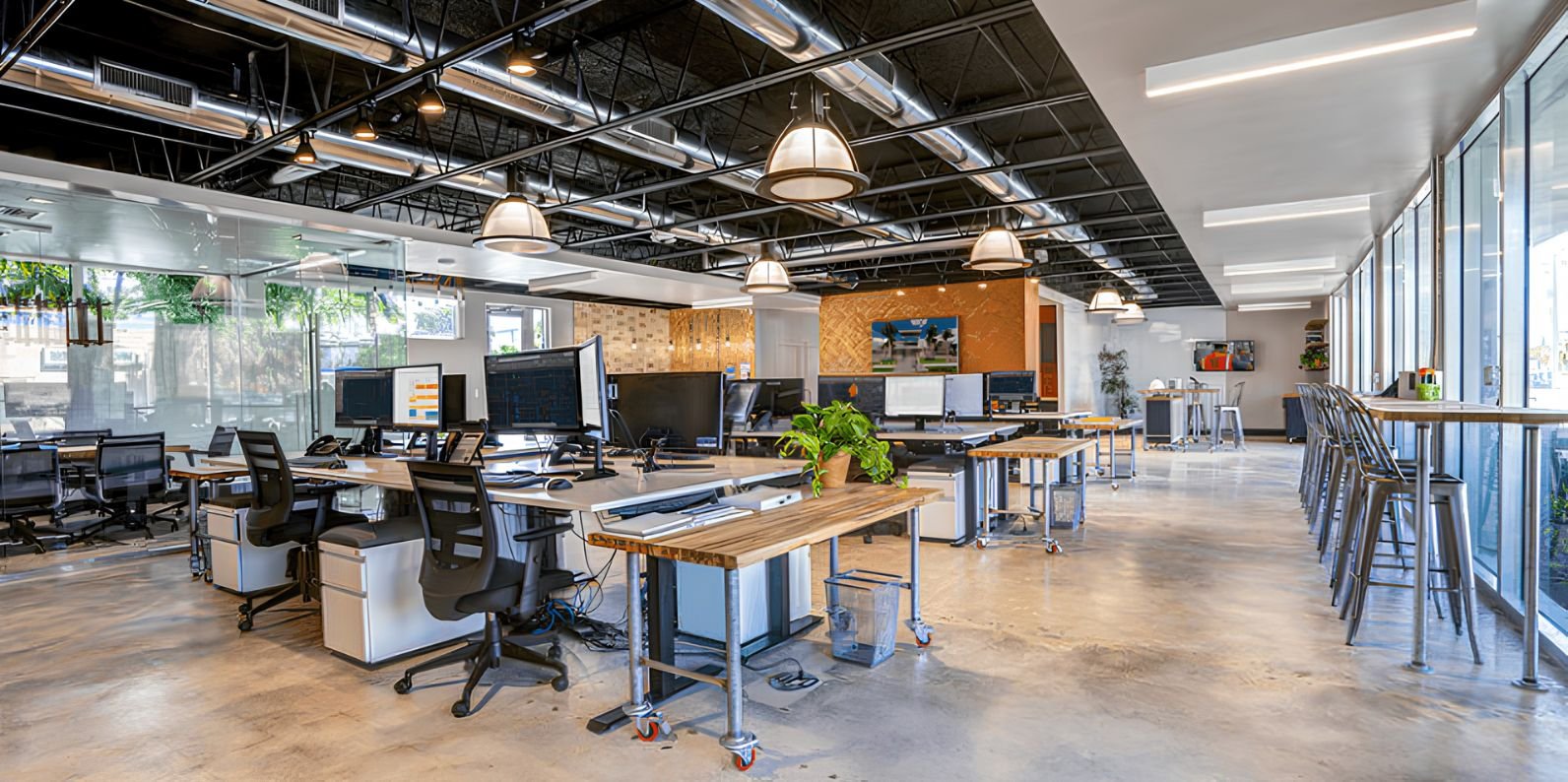
If a company values teamwork, it needs spaces for people to meet. If it values deep work, it needs quiet areas. If it values learning, it needs rooms for training and sharing. So, workplace culture is not created by furniture alone. Design should support the behavior the company wants.
Advantages
- Helps employees use the office in better ways.
- Supports teamwork, learning, and connection.
- Makes company values easier to feel.
- Encourages natural social moments.
- Gives teams the right space for how they work.
Must-have items
- Social hub: Gives employees a place to connect.
- Team project rooms: Supports group planning and shared work.
- Quiet respect zones: Shows that focus is part of the culture too.
- Learning space: Helps with training, talks, and workshops.
- Shared coffee point: Creates easy moments for informal conversation.
- Clear room-use rules: Helps people understand how each area should be used.
12. Inclusive Design
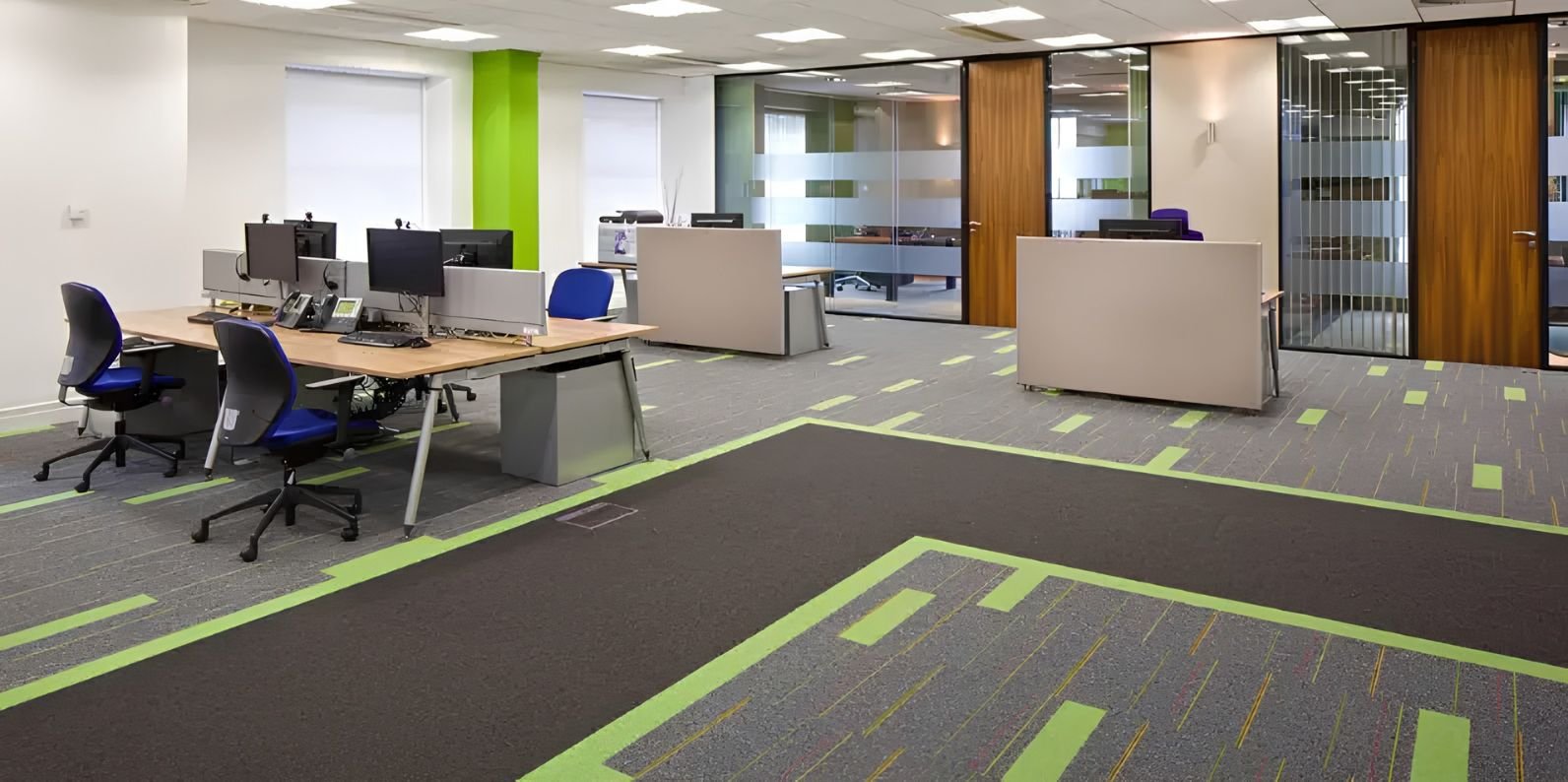
Inclusive design means creating an office that supports different people and different work needs. It is more than access. Some people need quiet. Some need movement. Some need more light. Some need less glare.
Some need clear signs. Some need adjustable furniture. A good office gives people choice without making anyone feel separate.
Advantages
- Makes the office easier for more people to use.
- Supports different work styles and comfort needs.
- Reduces stress from noise, glare, or unclear spaces.
- Helps employees feel respected.
- Makes the workplace more thoughtful and practical.
Must-have items
- Clear wayfinding: Helps people move through the office easily.
- Different seating options: Supports different body types and comfort needs.
- Quiet spaces: Helps people who need less noise.
- Adjustable desks: Supports different working positions.
- Glare control: Makes screens and rooms easier on the eyes.
- Easy movement paths: Keeps walkways open and simple.
13. Collaboration Spaces Design
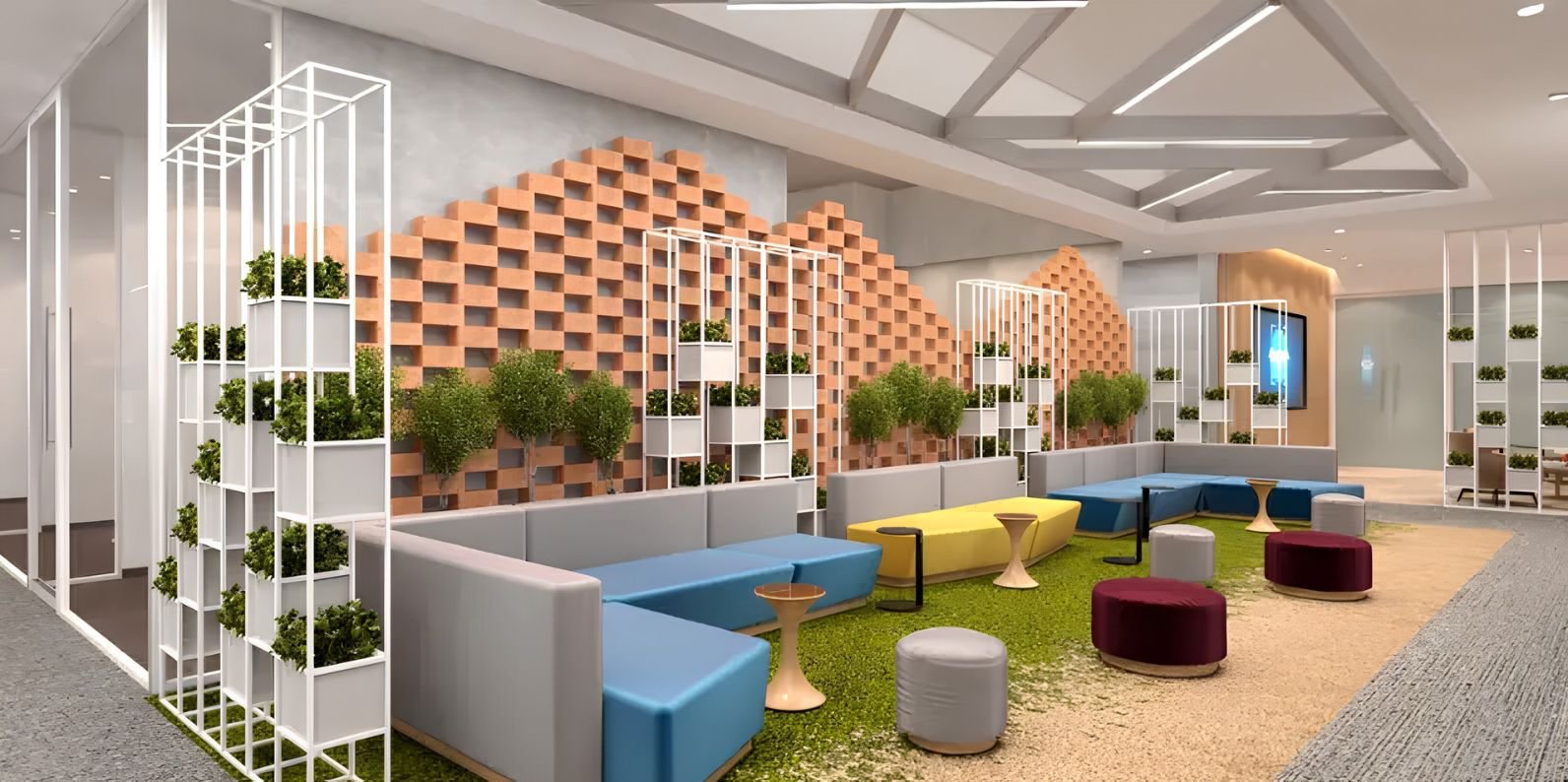
Collaboration spaces help people talk, share, plan, and solve problems together. They do not always need to be formal meeting rooms.
A small project table, a writable wall, a soft seating area, or a standing discussion point can also work. The space should feel easy to use. People should not feel like they need permission to collaborate there.
Advantages
- Makes teamwork easier and more natural.
- Supports quick discussions and project planning.
- Helps people share ideas visually.
- Reduces pressure on formal meeting rooms.
- Adds more energy to the office.
Must-have items
- Project tables: Gives teams space to spread out work.
- Writable walls: Helps people sketch, plan, and explain ideas.
- Movable chairs: Makes group setup easier.
- Display screens: Supports presentations and shared work.
- Soft seating groups: Makes casual teamwork feel more relaxed.
- Standing meeting points: Works well for short discussions.
14. Focus Zones Office Design
Focus zones give people a place for deep work. Not every task needs a meeting. Not every task should happen in an open space.Some work needs quiet, privacy, and fewer interruptions. Only a focus zone gives people that option.
It can be a room, booth, library-style corner, or quiet desk area.
Advantages
- Helps people complete deep work faster.
- Reduces distraction from open office noise.
- Gives employees more control over their day.
- Supports writing, planning, reviewing, and thinking.
- Balances the energy of collaboration spaces.
Must-have items
- Quiet desks: Gives people a low-noise work setting.
- Acoustic panels: Helps reduce echo and sound travel.
- Soft lighting: Makes the area feel calm.
- Visual privacy: Reduces movement distractions.
- Phone-free rules: Keeps the zone focused.
- Low-traffic location: Keeps the area protected from office movement.
15. Office Lighting Focusing
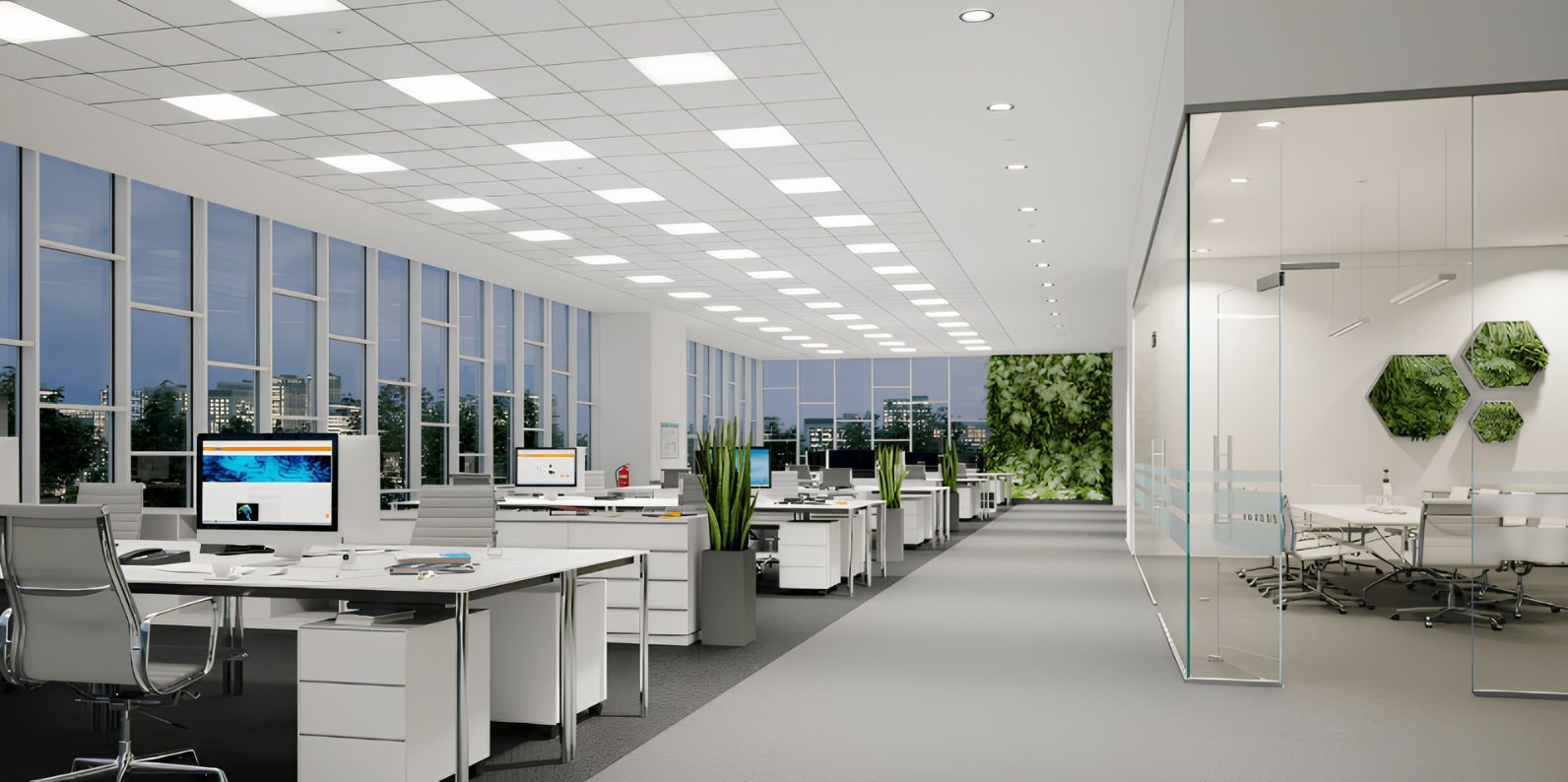
One bright ceiling light is rarely enough. Office lighting should support the work happening in each zone.
Focus areas need clean light. Lounge areas need softer light. Meeting rooms need good face lighting for calls. Screens need glare control. Lighting can change how the whole office feels.
Advantages
- Helps people work with less eye strain.
- Makes rooms feel warmer and more comfortable.
- Supports better video calls.
- Helps define different office zones.
- Improves the overall mood of the workplace.
Must-have items
- Natural light: Makes the office feel open and fresh.
- Task lighting: Helps people work at desks.
- Ambient lighting: Adds soft background light.
- Glare control: Makes screens easier to use.
- Meeting room lighting: Helps faces look clear on video calls.
- Warm lounge lighting: Makes social areas feel relaxed.
16. Small Office Design Ideas
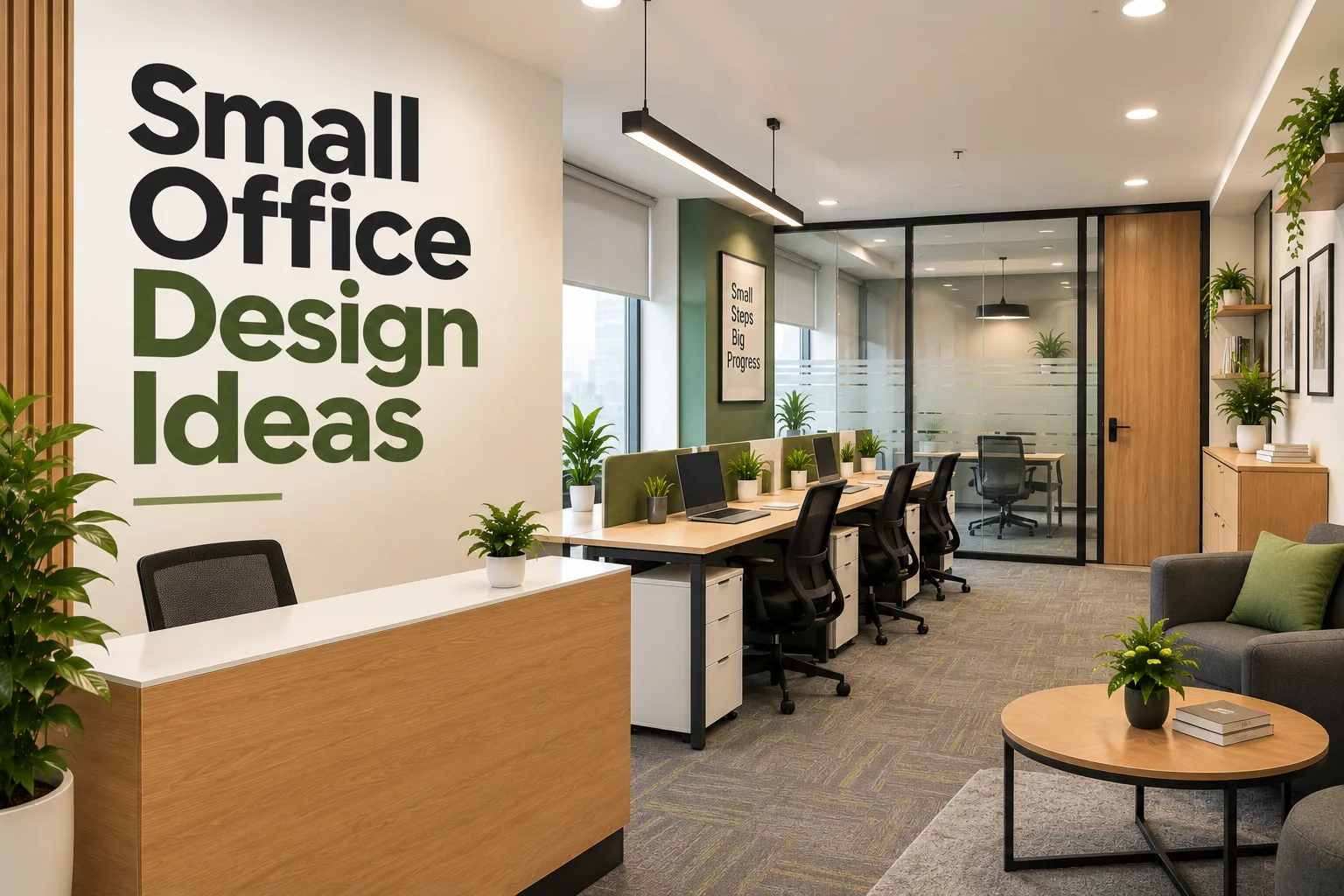
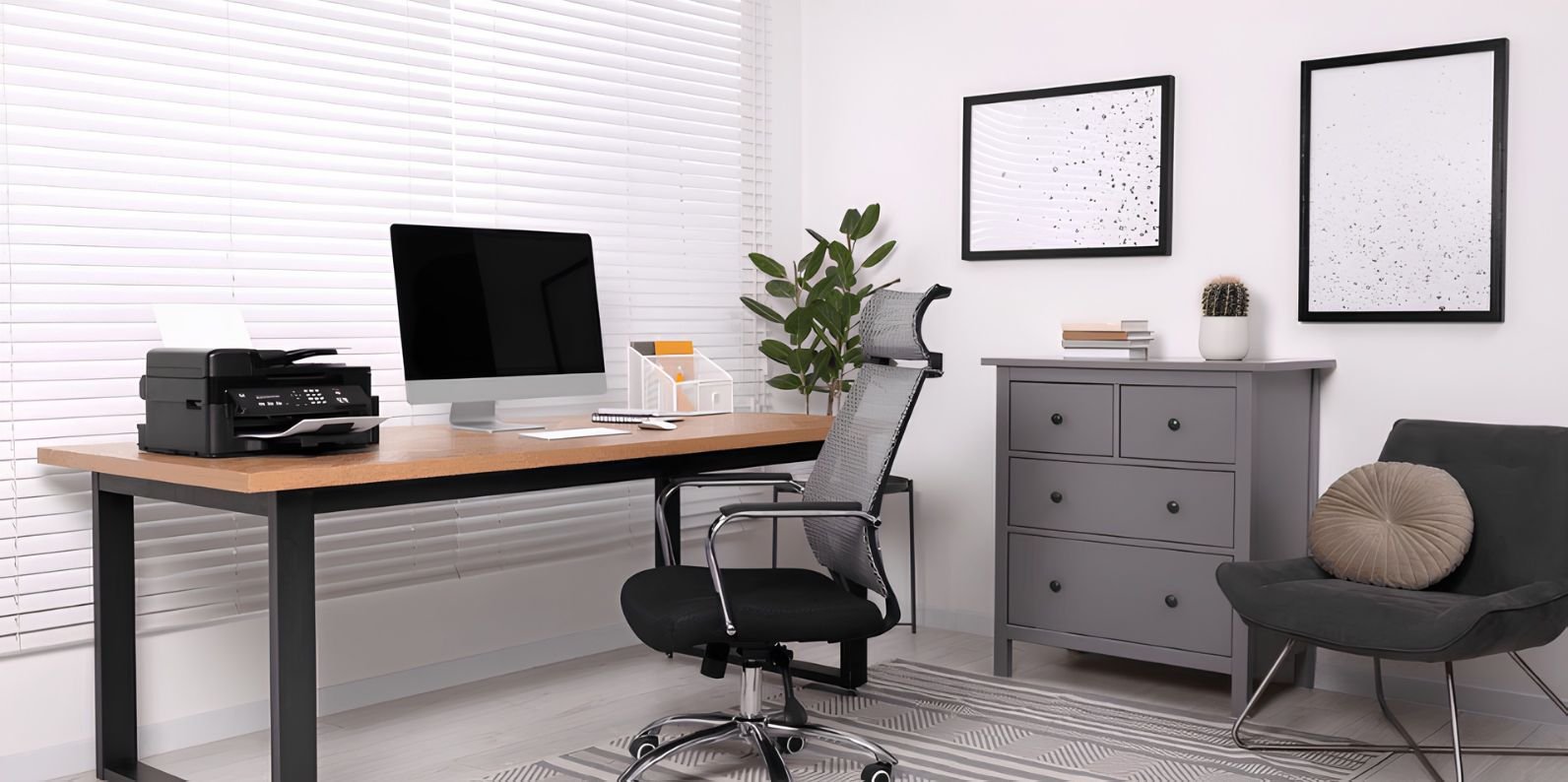
If it is a small office, it needs sharper planning. There is less room for mistakes. Every desk, chair, cabinet, and walkway matters. Heavy furniture can make the space feel tight. Too many colors or materials can make it feel busy.
Advantages
- Makes limited space feel more useful.
- Keeps the office from feeling crowded.
- Helps small teams work more comfortably.
- Improves movement and storage.
- Creates a more professional look with fewer items.
Must-have items
- Slim desks: Saves floor space.
- Wall storage: Uses vertical space better.
- Light furniture: Keeps the room from feeling heavy.
- Glass partitions: Divides space without blocking light.
- Hidden cables: Keeps the office clean.
- Multi-use rooms: Helps one space serve more than one purpose.
Common Office Design Mistakes to Avoid
Many office design mistakes happen when style comes before use. Spaces can look beautiful in photos and still feel wrong in daily life. Maybe it is too noisy. Maybe the chairs are uncomfortable. Maybe every area is open. Maybe the meeting rooms are not ready for hybrid calls.
Must-avoid mistakes
- Copying trends without purpose: Makes the office look current but not useful.
- Ignoring acoustics: Creates stress in open spaces.
- Buying poor chairs: Hurts comfort and focus.
- Forgetting hybrid work: Makes meetings harder.
- No focus zones: Leaves employees without quiet work space.
- Weak storage planning: Creates clutter quickly.
- Too much open-plan space: Gives no control over noise or privacy.
Final Thoughts
The best office design ideas are not about copying every new trend. They are about choosing what fits your people, your work, your space, and your future. A strong office interior design keeps in knowledge all of the decoration. Imagine Interiors have many years of experience in commercial corporate office decoration.
Start with how people work. Then design around that. That is how an office becomes more than a workplace. It becomes a space people can use well, feel good in, and grow with.