Any kind of startup offices has a different vibes and energy. Things move fast, people talk across desks, ideas change in one meeting, and the team needs a space that can keep up. You do not need a large budget to make that happen. You need a smart plan, clear priorities, and design choices that match how your team really works. Imagine Interiors is the best interior design firm who can help you fulfill your expectations.
I have seen small offices feel better than expensive ones because the layout made sense. The chairs were comfortable. The lighting felt fresh. The meeting corner worked. The brand showed up in small ways. That is what you should aim for. Not a showpiece office, but a useful office that still feels exciting.
1. Start With How Your Team Works

Before choosing wall colors or furniture, think about your daily work style. Does your team need quiet focus, quick discussions, client calls, product demos, or creative brainstorming? A startup office should support those habits first. If the space looks nice but slows the team down, the design has failed.
You should also think about team size and growth. Do not design only for today, but do not build for a team you may have three years later either. Good startup office gives your current team comfort and leaves enough room to adjust when new people join.
2. Keep the Layout Open, But Not Empty
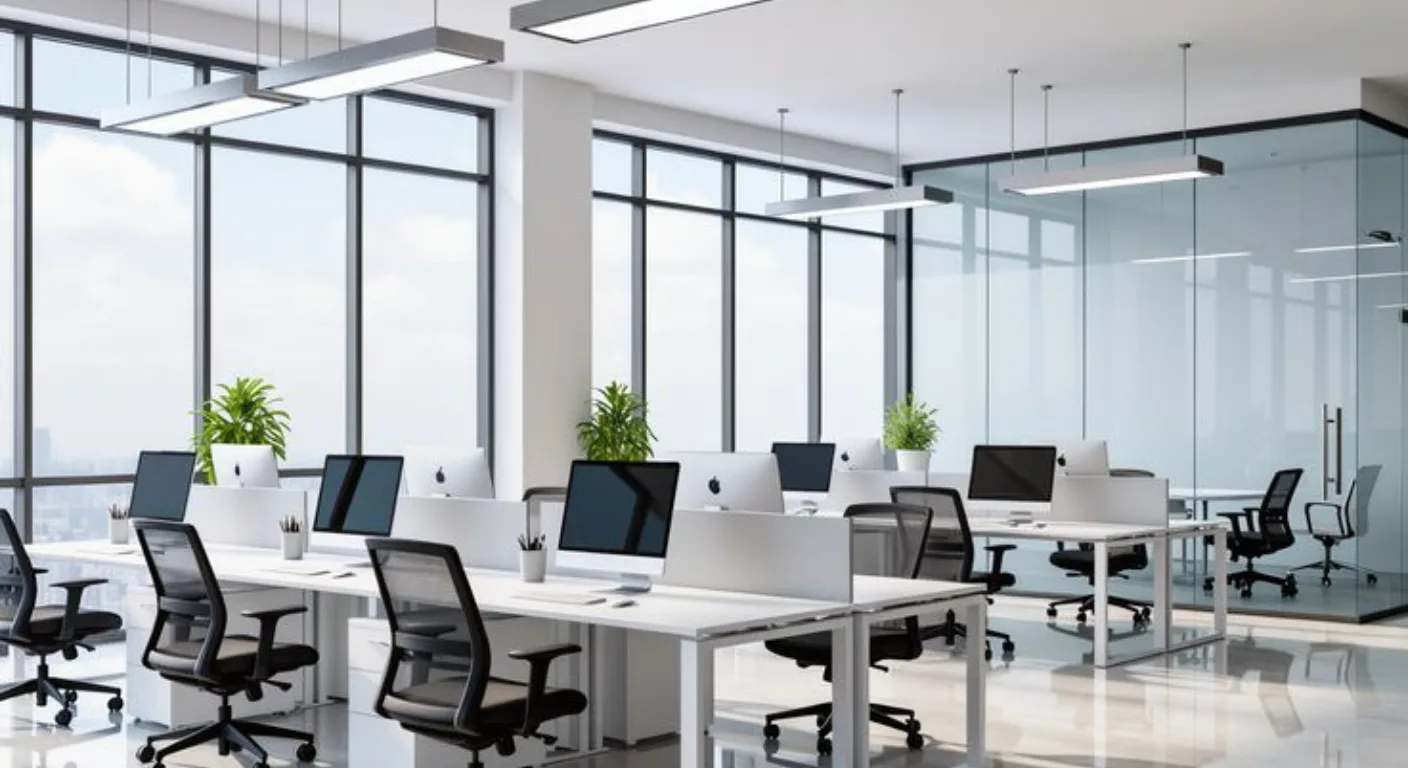
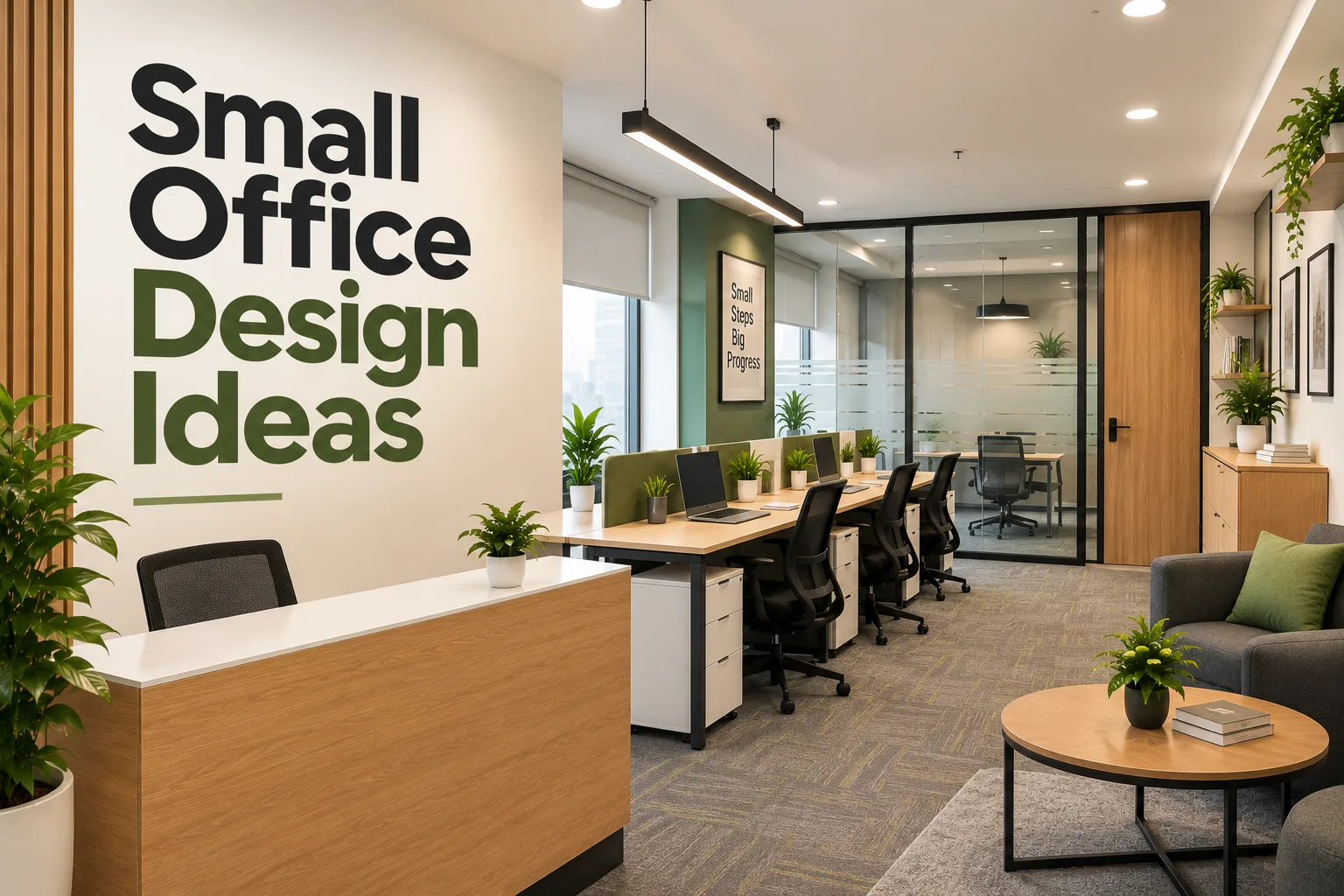
Open layouts work well for startups because they make communication easy. When the team can talk without booking a room, decisions move faster. It also helps a small office feel larger. But an open office still needs structure. If every corner feels the same, the space becomes noisy and confusing.
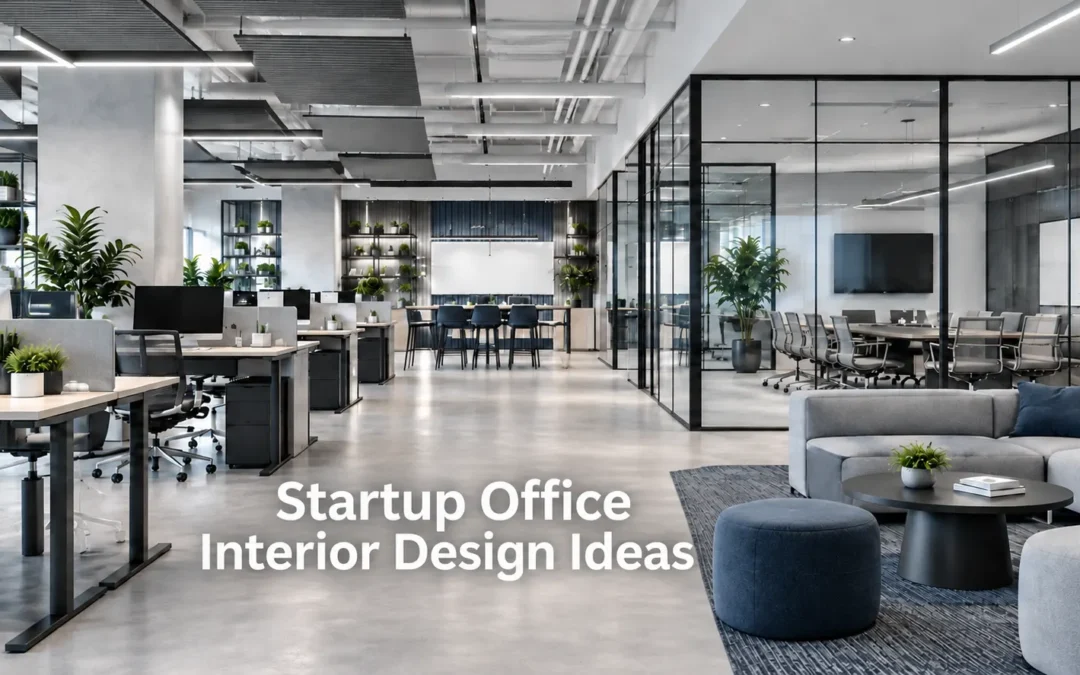
Create simple zones inside the open plan. You can have one area for focused desk work, one corner for team discussion, one small meeting area, and one relaxed break spot. These zones do not always need walls. Rugs, lighting, shelves, plants, and furniture placement can separate areas naturally.
3. Use Flexible Furniture From the Beginning
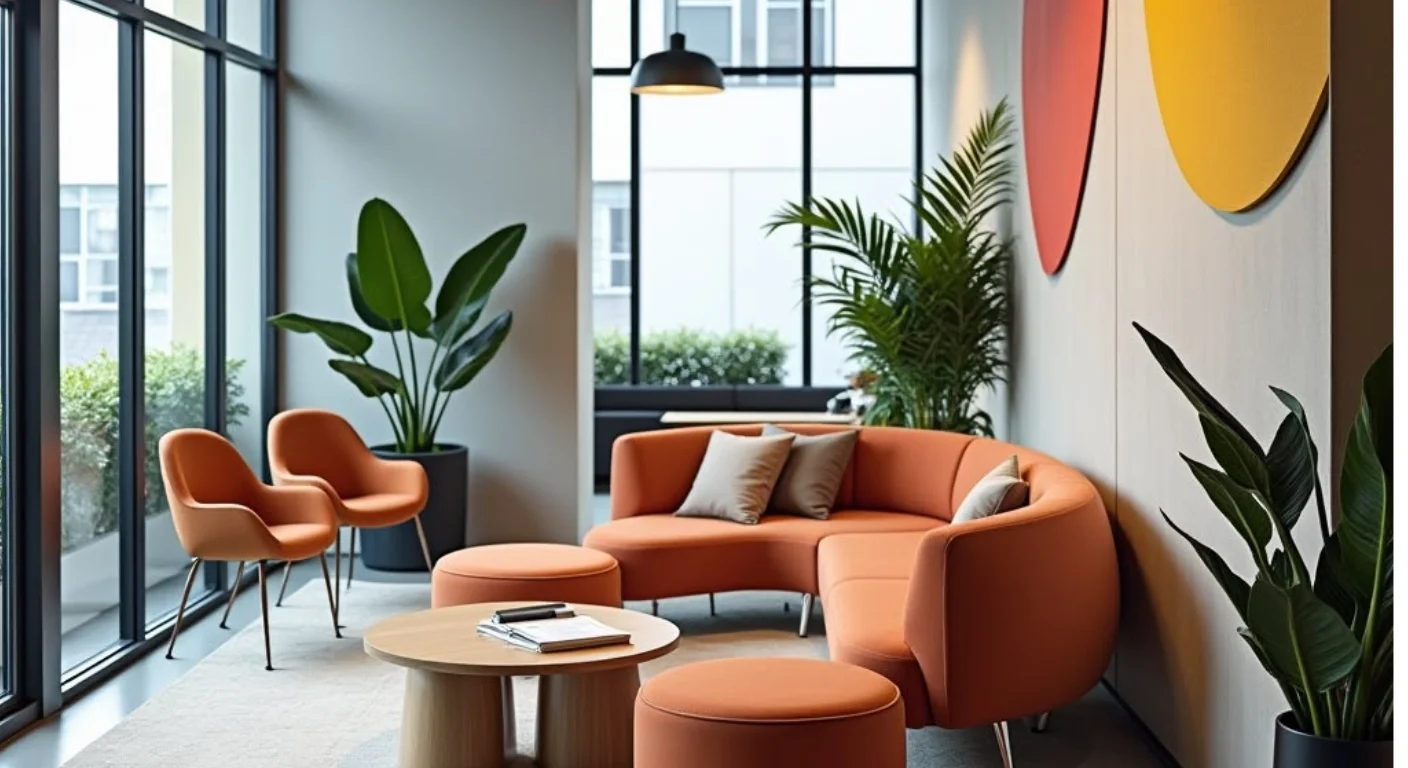
Startups change quickly, so fixed furniture can become a problem later. I usually suggest modular desks, movable tables, stackable chairs, rolling storage, and lightweight partitions. These items let you change the office without spending on a full renovation every time your team grows or your work style changes.
Long shared work tables are often better than separate heavy desks. They save space, cost less, and make the room feel more active. Just make sure each person gets enough working width. If people feel squeezed, the office will feel stressful no matter how stylish it looks.
4. Choose Ergonomic Chairs Before Fancy Decor
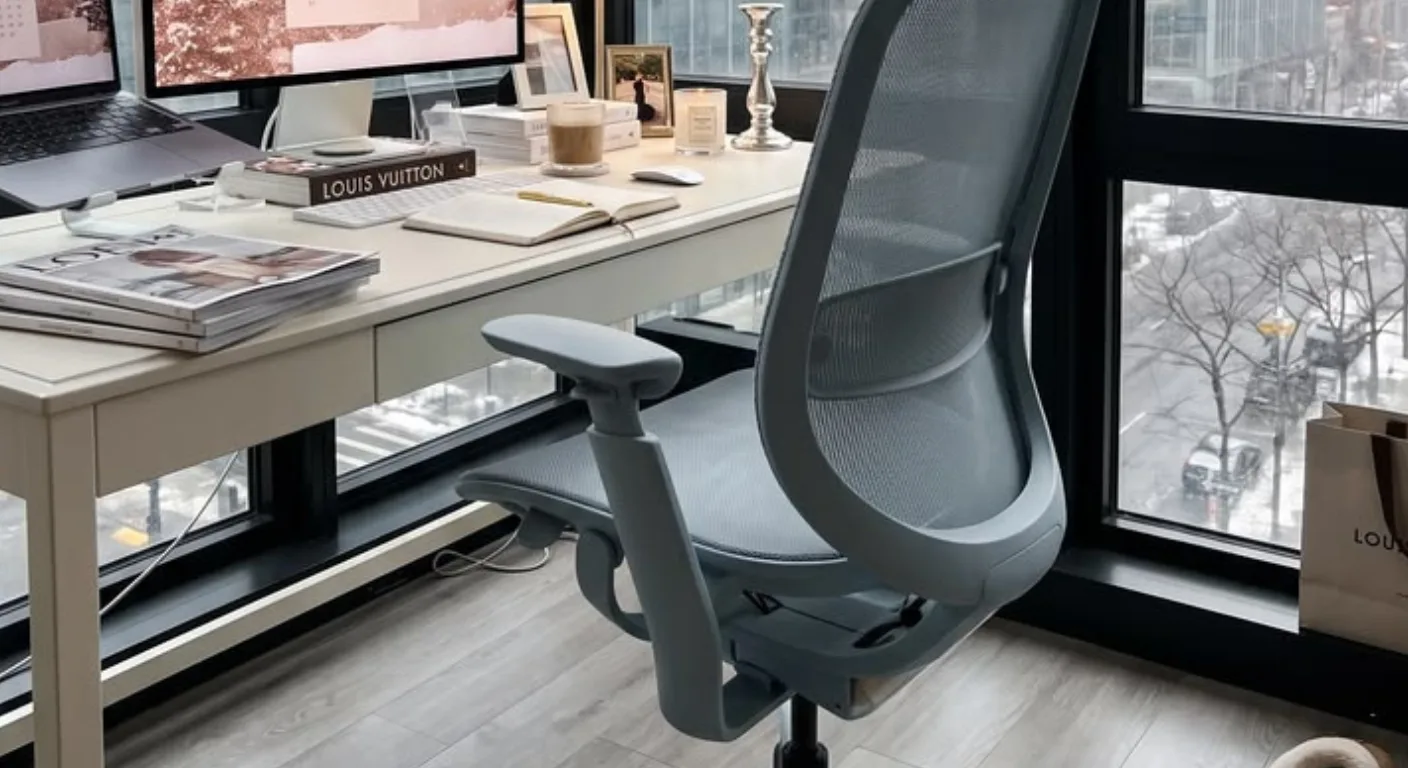
If you have to choose between expensive wall decor and good chairs, choose the chairs. Your team sits for long hours, and poor seating affects mood, focus, back pain, and energy. A startup may run on ideas, but people still need physical comfort to do good work every day.
You do not need the most expensive chair in the market. Look for proper back support, adjustable height, smooth wheels, and comfortable seat padding. Buy fewer decorative items if needed, but do not compromise too much on seating. It is one of the smartest early investments.
5. Create a Simple But Strong Entry Area

Your entry area is the first thing clients, investors, and new hires see. It does not need marble, custom counters, or expensive artwork. It needs to feel clean, confident, and connected to your brand. A simple branded wall can do more than a costly reception desk.
Use your logo, one brand color, a clean seating piece, and good lighting. Add one plant or a small display shelf if the space allows. Keep this area free from boxes, spare chairs, and random papers. A small entry can still feel professional when it is tidy and intentional.
6. Add a Collaboration Corner
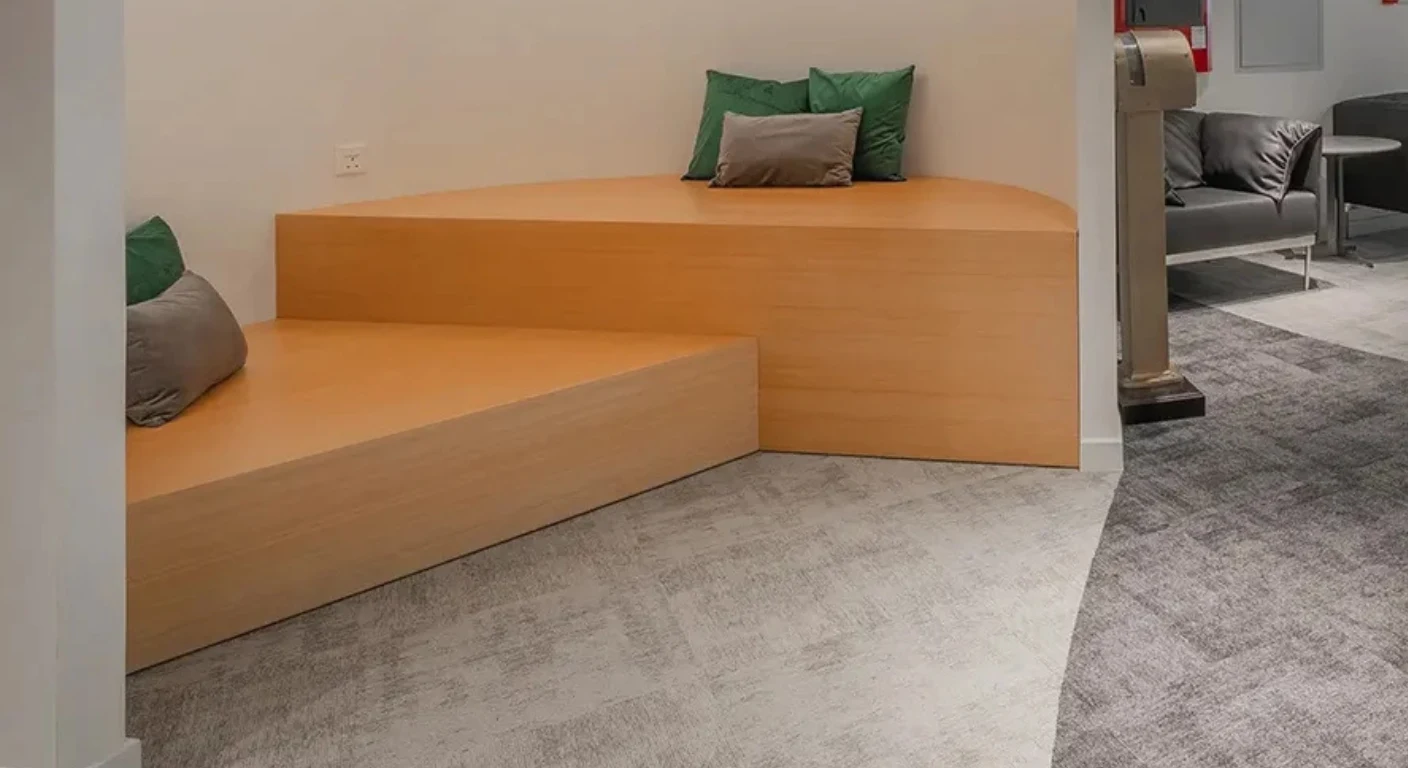
Every startup needs a place where ideas can move freely. This can be a small corner with a whiteboard, casual chairs, a low table, and good lighting. It should feel different from the desk area so people naturally shift into discussion mode when they sit there.
A whiteboard wall or large pinboard is very useful here. Teams can map ideas, plan tasks, sketch product flows, or review campaigns. I like these spaces because they make thinking visible. Visitors also understand quickly that this is an active team, not just a room full of desks.
7. Plan a Meeting Space That Actually Works
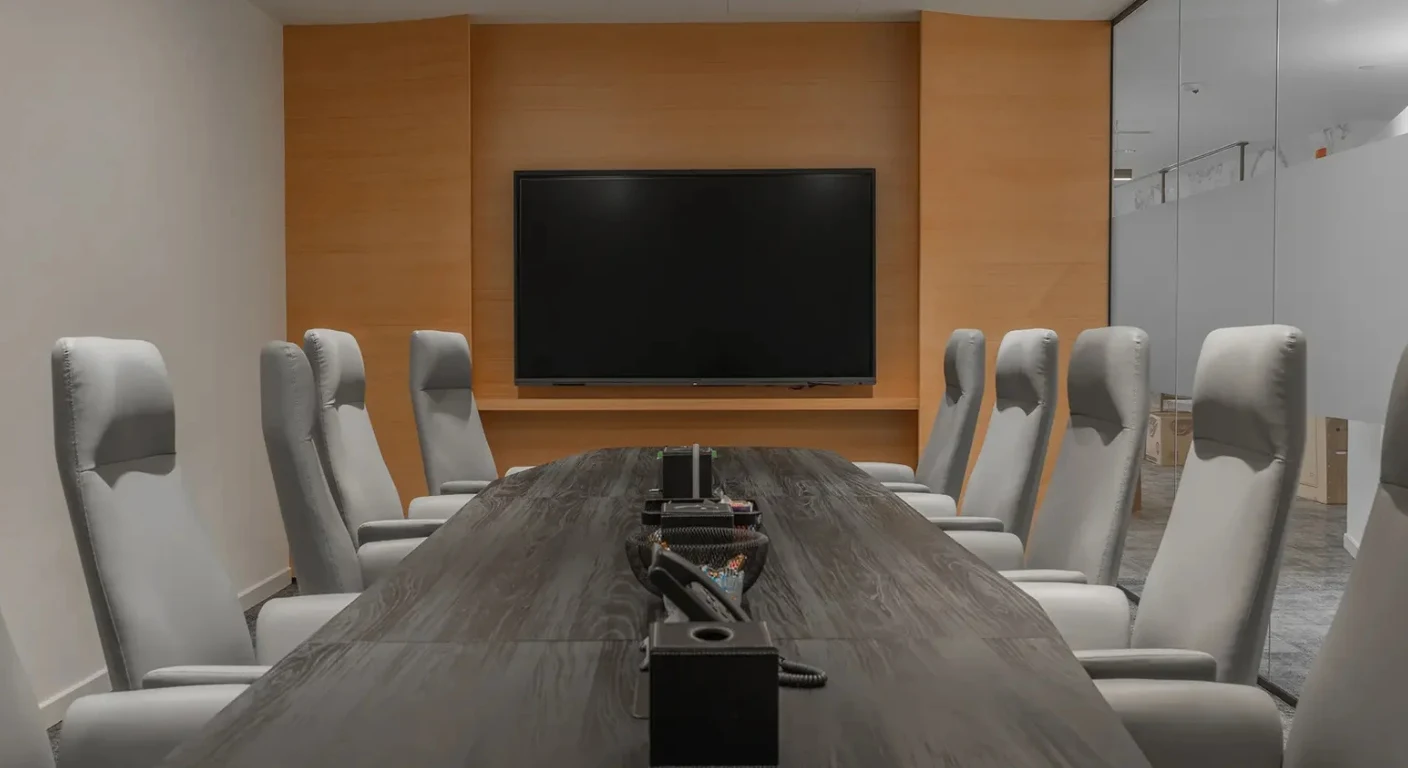
A startup does not always need a large boardroom. Most teams need a practical meeting space for client calls, team reviews, interviews, and investor conversations. A table for four to six people is enough for many small offices. The room should feel focused, clear, and easy to use.
Add comfortable chairs, a screen, stable internet access, enough plug points, and decent sound control. If you cannot build a full room, use a semi-private meeting pod or glass partition. Just make sure the meeting space does not turn into storage. That mistake makes the whole office feel careless.
8. Bring Your Brand Into the Office
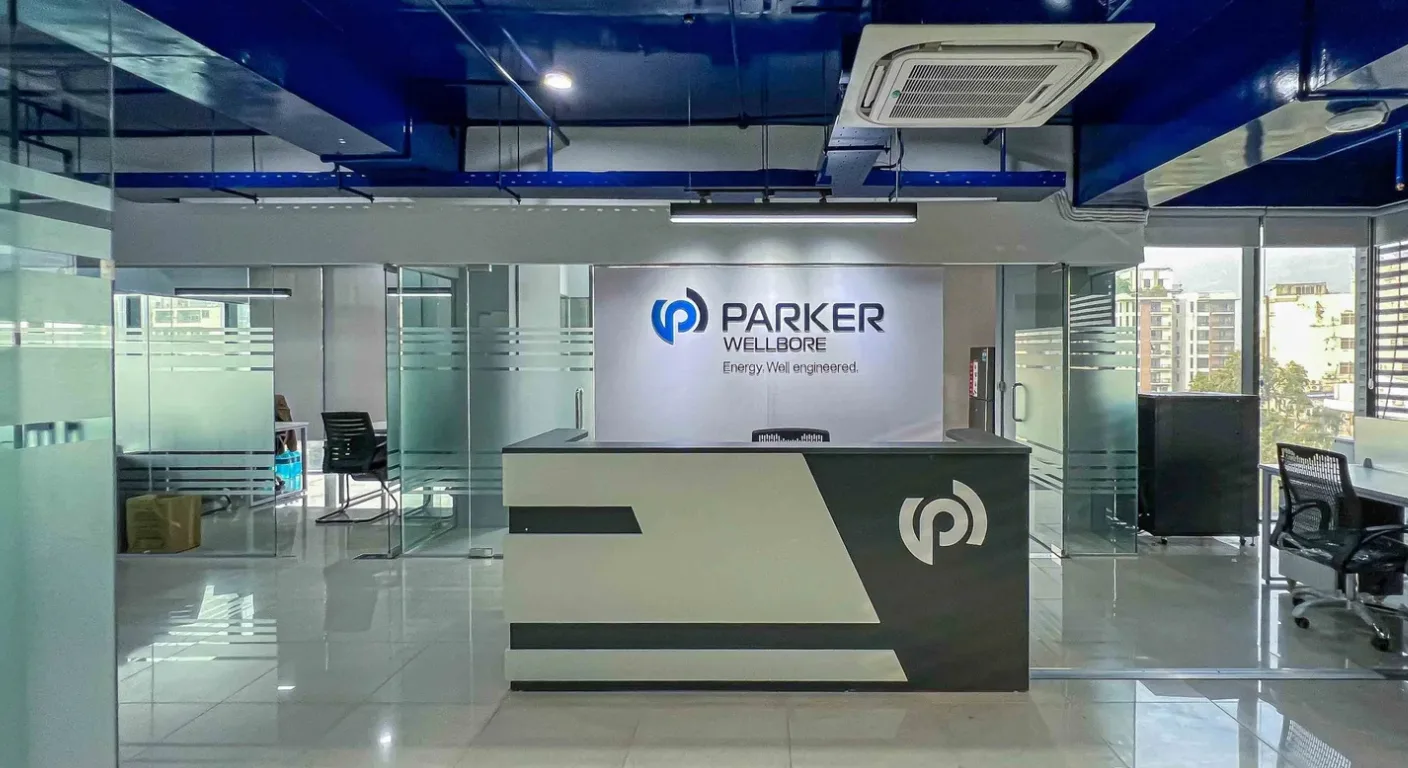
Your office should feel like your company, not a rented room with desks. Brand expression does not need to be loud. You can use your brand color on one wall, cushions, signage, wall graphics, plant pots, or small decor pieces. The goal is to make the space feel connected.
You can also display your work. If you build products, show them. If your team designs things, frame samples. If you have press features, awards, or client projects, present them neatly. A startup office becomes more memorable when it tells the story of what the team is building.
9. Use Lighting to Lift the Energy
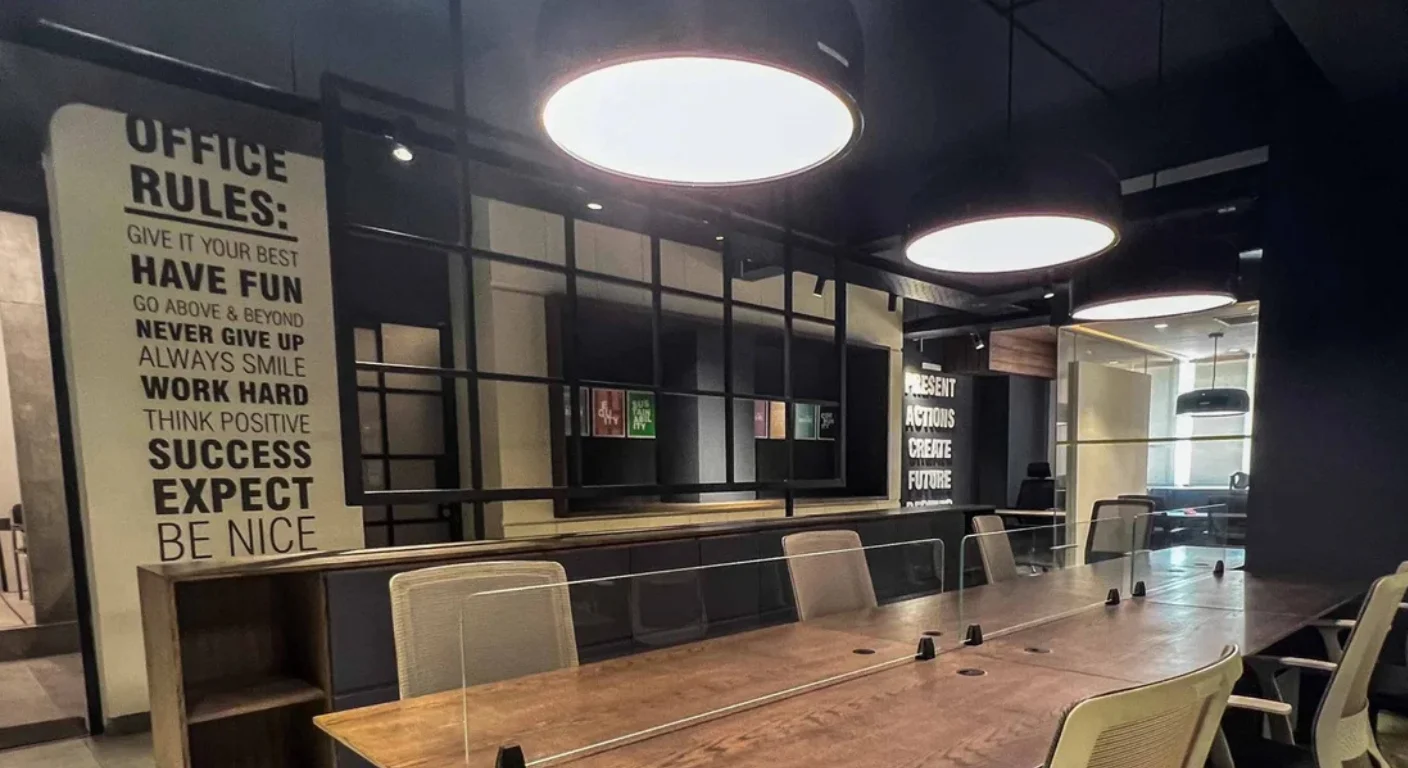
Lighting can completely change the feeling of a startup office. Bad lighting makes people tired, even when the room is well designed. Natural light should be your first choice. Keep windows clear, avoid blocking daylight with tall furniture, and place work areas where the light feels comfortable.
For general lighting, use clean white light that feels fresh but not harsh. Add warmer lighting in the break area or collaboration corner so those zones feel relaxed. One pendant light above a meeting table or discussion area can give the office character without costing too much.
10. Keep Storage Clean and Practical
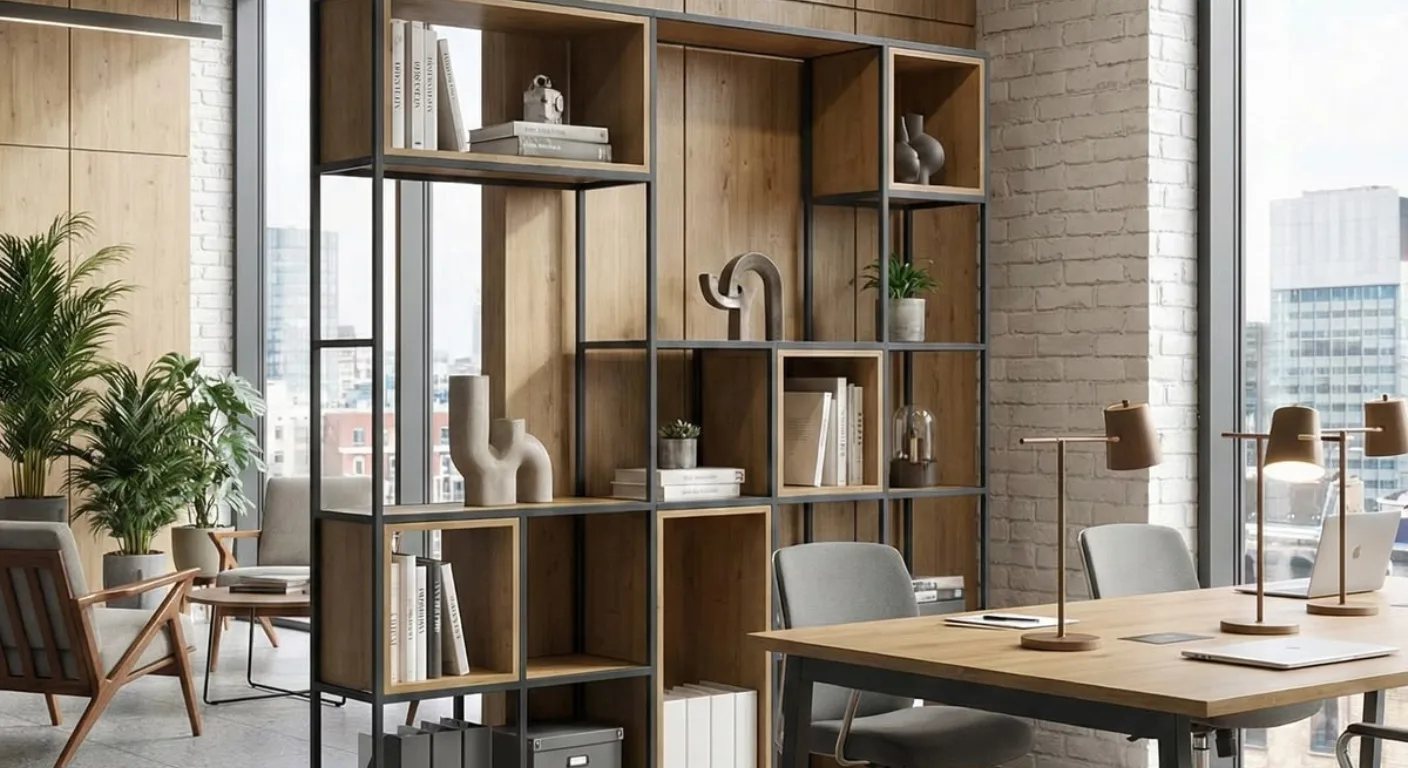
Startups often underestimate storage. At first, everything seems manageable. Then boxes, papers, devices, samples, and personal items start spreading across the office. This makes even a good design look messy. Plan storage early so the team can keep the workspace clean without much effort.
Use under-desk drawers, closed cabinets, wall shelves, and labeled storage units. Avoid too much open shelving for random items because it creates visual clutter. Personal storage is also important. Each team member should have a place for bags, files, chargers, and daily items.
11. Design a Small Pantry or Break Area
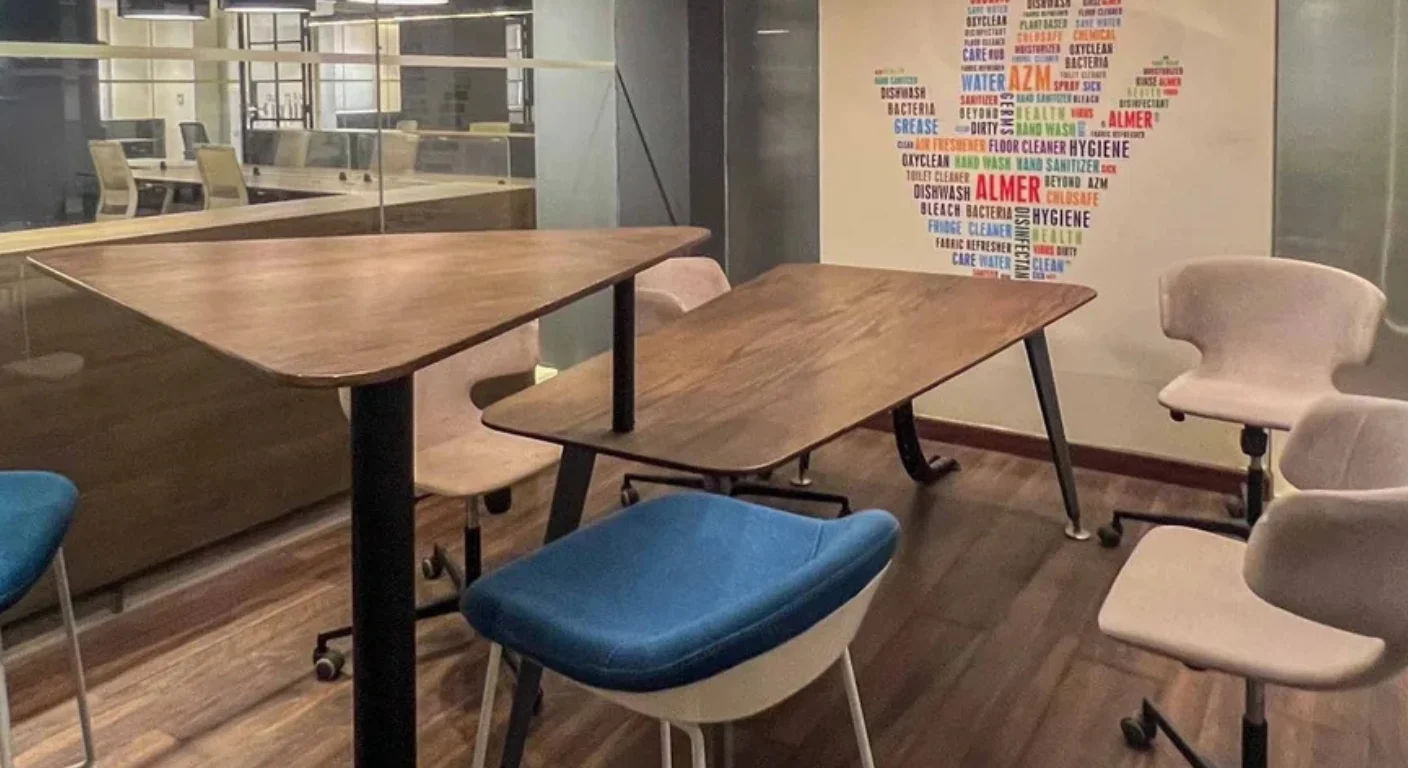
Your team needs a real place to pause. It does not have to be large, but it should feel separate from the work zone. A small counter, kettle, water point, fridge, and two or three stools can make a big difference. People need a space to reset.
Use a warmer wall color, softer light, or different flooring if possible. This helps the break area feel relaxed. Keep it clean and easy to maintain. In a startup, people often work long hours, so a thoughtful break corner quietly shows that you care about their comfort.
12. Add Plants for Life and Softness
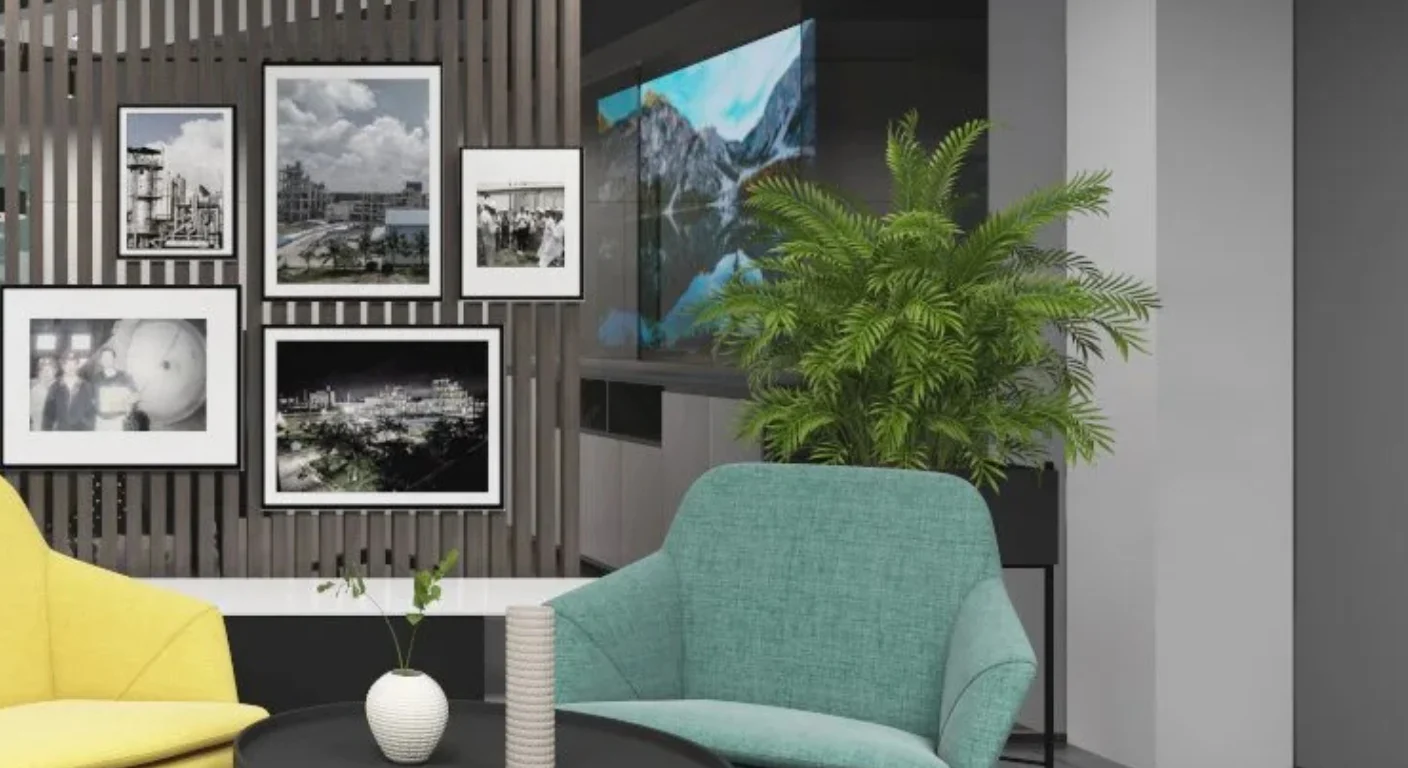
Plants are one of the easiest ways to make a startup office feel fresh. They add color, texture, and a little calmness to a busy workday. You can place them near desks, beside the entry, on shelves, or around the collaboration area. Even a few plants can change the mood.
Choose plants that are easy to care for, such as snake plants, pothos, money plants, or small succulents. Do not overfill the office with plants if no one will maintain them. A few healthy plants look much better than many dry ones.
13. Control Noise Before It Becomes a Problem
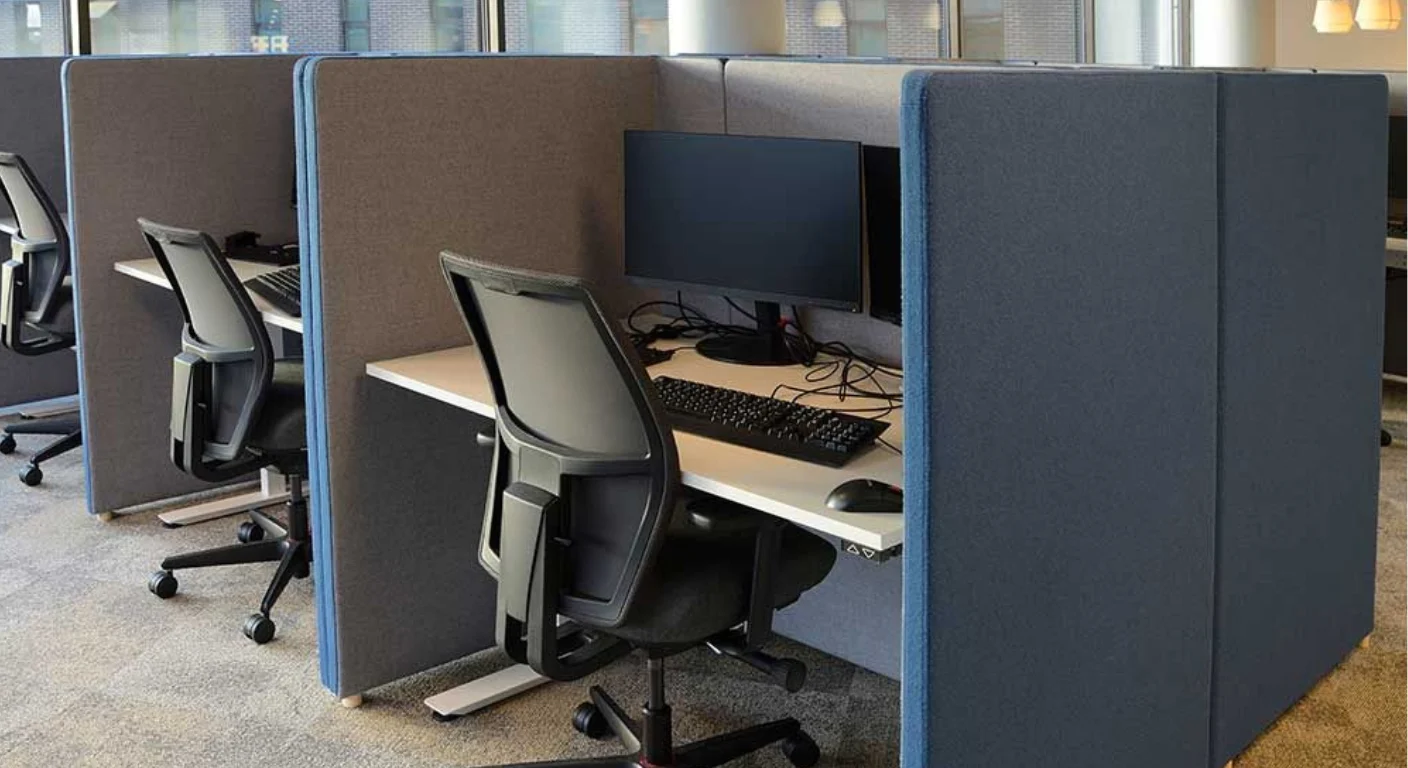
Noise is one of the biggest issues in startup offices. At first, an open office feels fun. Later, as the team grows, phone calls, discussions, and meetings can make it hard to focus. You should plan some sound control from the start, even if the office is small.
Use rugs, fabric chairs, curtains, acoustic panels, soft boards, and upholstered seating to absorb sound. If you have a meeting room, make sure conversations do not spill into the work area. Good acoustics are not only about comfort. They also help people think clearly.
14. Plan Power and Internet Properly
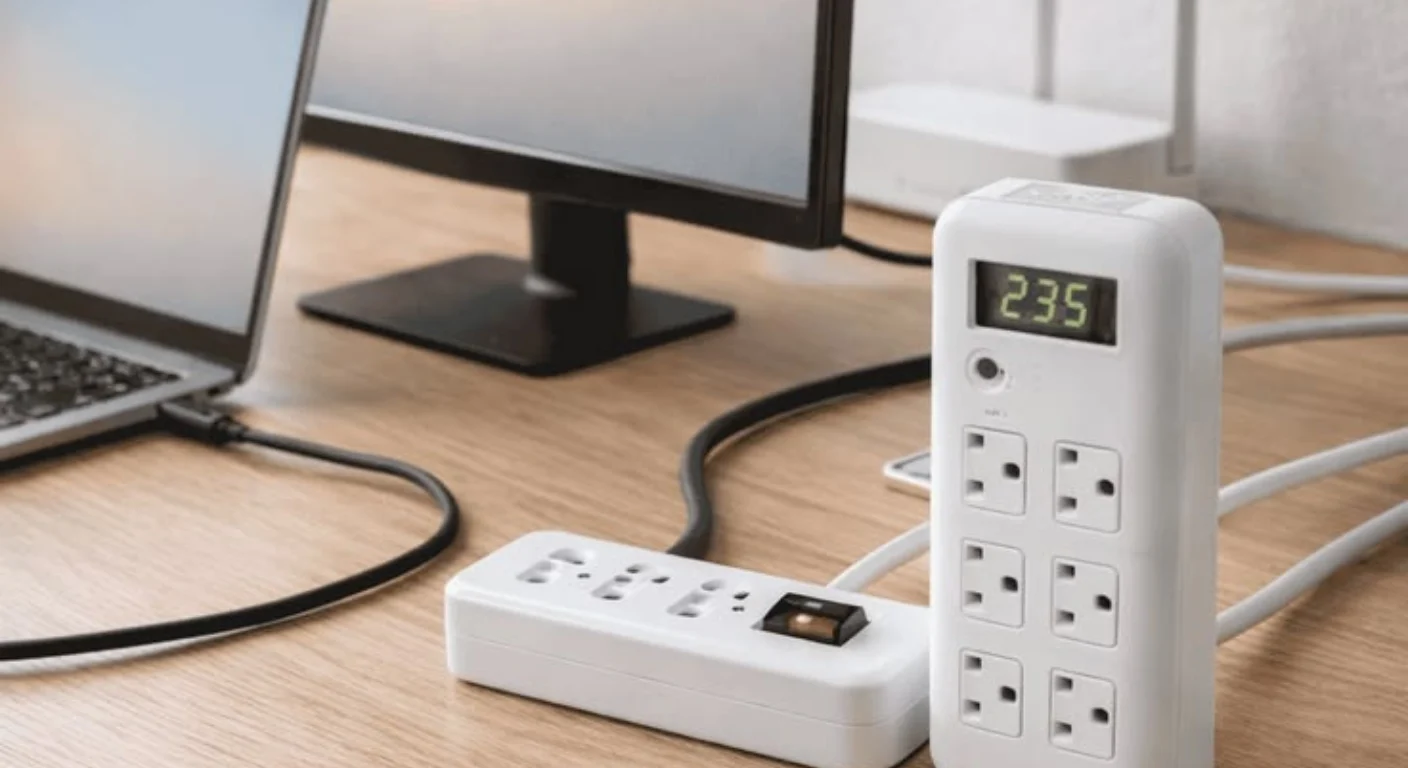
A startup office depends on devices, screens, chargers, routers, and stable internet. If you do not plan electrical points before furniture arrives, cables will start running across floors and walls. That makes the office look messy and can also become unsafe.
Map every workstation before installation. Add enough plug points, data points, charging access, and backup power where needed. Keep network equipment in a clean cabinet or fixed wall area. In the meeting room, use a screen setup that allows quick sharing without cable confusion.
Where Should You Spend Most of the Budget?
- Ergonomic Chairs and Desks: Choose comfortable, durable furniture that supports daily work.
- Lighting and Electrical Setup: Ensure proper task lighting, sufficient power outlets, and energy-efficient fixtures.
- Internet and IT Setup: Invest in reliable internet, networking, and essential office technology.
- Storage Solutions: Use practical storage to keep workstations organized and clutter-free.
- Meeting Spaces: Create functional meeting areas for team discussions and client meetings.
- Flexible Furniture: Choose modular desks, movable partitions, and adaptable furniture to support future growth.
Where to Save: Use paint instead of expensive wall cladding, modular furniture instead of costly custom pieces, and plants or local artwork instead of expensive decorative items. Prioritize everyday functionality over purely visual upgrades.
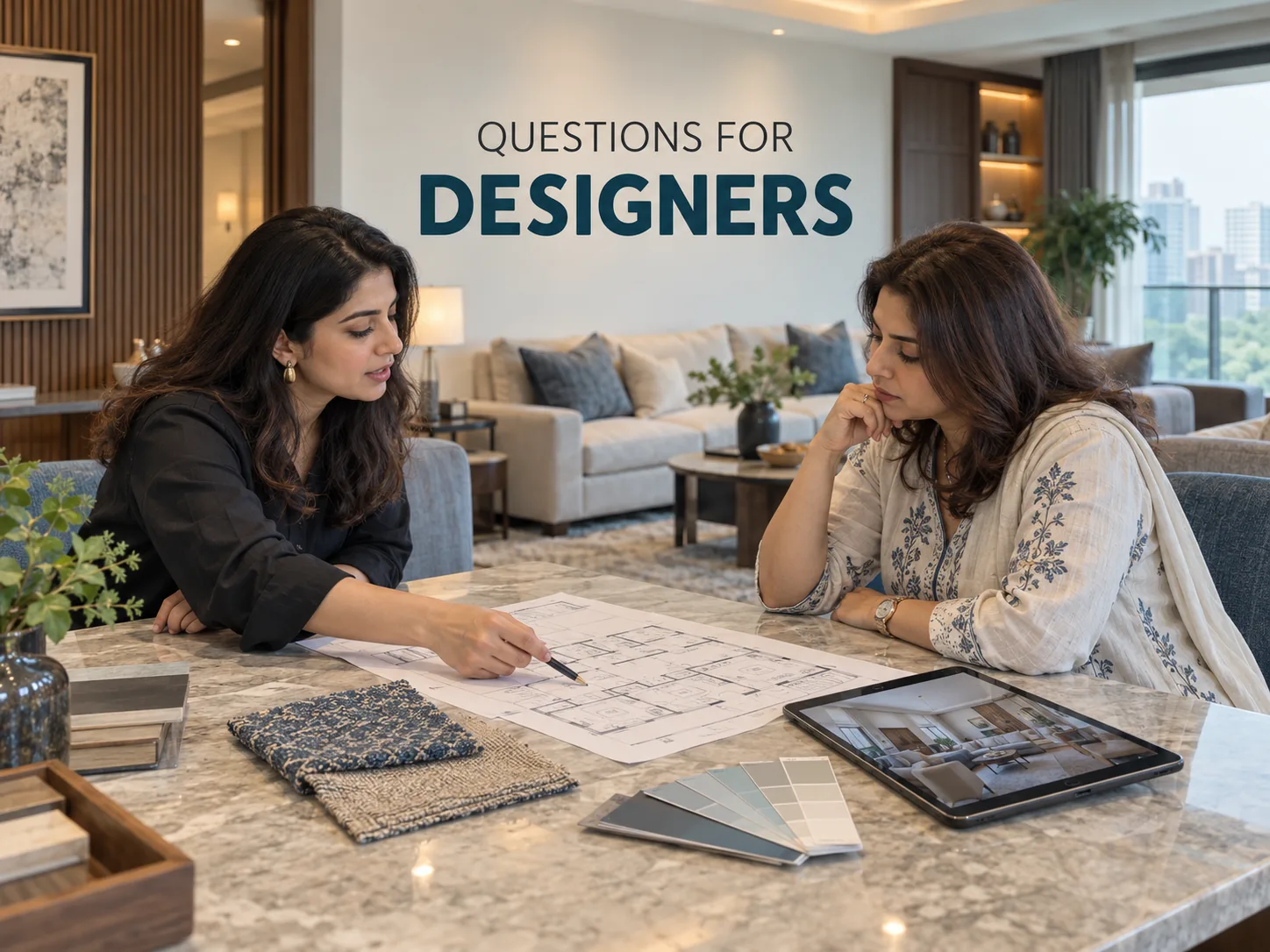
Should You Hire an Interior Designer?
Many founders think designers are only for large offices, but that is not true. A good designer can help you avoid layout mistakes, choose practical materials, control the budget, and use every square foot well. This matters even more when the office is small.
Be honest about your budget from the start. Share your team size, work style, brand personality, and growth plan. Ask the designer for clear scope, timeline, and cost details before work begins. A good design process should feel clear, not confusing. You can contact Imagine Interiors team for designing
Startup Office Decoration Budget in Bangladesh
The cost depends on office size, furniture quality, electrical work, flooring, partitions, branding, lighting, and custom work. A very basic setup may stay lower, while a more polished startup office will cost more. The smart move is to plan in phases instead of trying to finish everything at once.
For many startups, the first phase should cover workstations, chairs, lighting, storage, internet, and one meeting area. Branding, wall graphics, pantry upgrades, and extra decor can come next. This way, your office starts working properly from day one without forcing a heavy budget.
FAQs
How do I design a startup office on a small budget?
Start with the things your team uses every day. Get good chairs, proper desks, clean lighting, storage, internet setup, and one useful meeting space. Use paint, plants, wall graphics, and simple brand colors for personality. Do not spend first on expensive finishes if the basic work setup is weak.
Is an open office good for startups?
An open office is good for many startups because it supports quick communication and makes small spaces feel larger. But it should not be fully open without control. Add one meeting room, soft materials for sound, and a few quiet corners so people can focus when needed.
What should every startup office include?
Every startup office should include a focused work area, ergonomic chairs, shared desks, a meeting space, storage, good lighting, reliable internet, a small break area, and some brand elements. These basics cover daily work, team discussions, client calls, and comfort without making the office too complicated.
How can I show my brand in a startup office?
Use your logo, brand color, wall graphics, product displays, framed work, or a simple mission statement. Keep it clean and natural. Your brand should feel present, not forced. Even one well-designed feature wall can make the office feel more connected to your company.
What is the best furniture for a startup office?
The best furniture for a startup office is flexible, comfortable, and space-saving. Shared work tables, ergonomic chairs, movable meeting tables, closed storage, and modular seating work well. Avoid heavy furniture that cannot move, because startup teams often grow and change quickly.
When should a startup invest in office design?
A startup should invest in office design as soon as the workspace starts affecting team comfort, client impression, or daily productivity. You do not need a luxury budget. You need a clear plan. Even simple improvements in layout, lighting, seating, and storage can make the office work much better.
Final Thoughts
Startups feel alive, useful, and honest to your brand. It does not need to copy a corporate office or look expensive from every corner. It needs to help your team work better, talk easier, focus longer, and feel proud of the space they are building from.
Start with function. Add comfort. Bring in your brand. Keep the layout flexible. When these things come together, your office becomes more than a place with desks. It becomes part of your company’s energy, culture, and future growth.